

 English


 |
In the context of increasingly stringent food safety standards, the control of harmful microorganisms has become a major challenge for the food industry. Pathogens such as Salmonella, E. coli, and Listeria not only cause foodborne illnesses but also have a direct impact on public health, brand reputation, and production–business efficiency.
However, traditional microbiological testing methods are often time-consuming and no longer fully meet the requirements for rapid monitoring in modern production lines. Meanwhile, global practices have demonstrated the outstanding effectiveness of advanced technologies such as UV irradiation, cold plasma, nanotechnology, biosensors, real-time PCR (RT-PCR), and artificial intelligence, which offer faster detection, higher accuracy, and real-time monitoring capabilities.
To update the latest scientific advances and create a forum that connects scientists and enterprises, research institutes and regulatory agencies, while also providing valuable learning opportunities for students, on November 26, 2025, at the Conference Room (1st Floor, HA8 Building, Linh Nam Campus), the Faculty of Food Technology organized a faculty-level workshop entitled “Application of Advanced Technologies in Food Microbiological Control.” The workshop presented recent research findings and modern methodologies, contributing to the promotion of technology application in practice and towards sustainable development in food testing and inspection in Vietnam.
The workshop was honored to welcome experts from leading research institutes and enterprises in Vietnam in the field of Food Technology, including:
- Dr. Nguyen Nhat Linh – Institute of Materials Science, Vietnam Academy of Science and Technology
- Dr. Luong Huu Thanh – Institute of Agricultural Environment, Vietnam Academy of Agricultural Sciences
- Ms. Phan Thi Gam – Senior Supervisor, Ajinomoto Vietnam Co., Ltd.
- Ms. Tran Thi Minh Xuan – Specialist, Ajinomoto Vietnam Co., Ltd.
Representing the Office of Science and Technology, Ms. Nguyen Thi Thu Huong, M.A., participated online.
From the Faculty of Food Technology, attendees included:
- Dr. Dang Thi Thanh Quyen – Dean of the Faculty of Food Technology
- Assoc. Prof. Dr. Ho Tuan Anh – Vice Dean of the Faculty of Food Technology
Along with faculty members and students of the Food Technology program, participating both in person at the conference hall and online.
Online meeting link: https://zoom.us/j/91089008867?pwd=AUW6jVpvHCTQK3QvsDEbLNRGSuyd2a.1
At the opening of the workshop, Dr. Dang Thi Thanh Quyen delivered the opening remarks, clearly outlining the objectives of the workshop and emphasizing the significance and practical orientation of the selected theme.
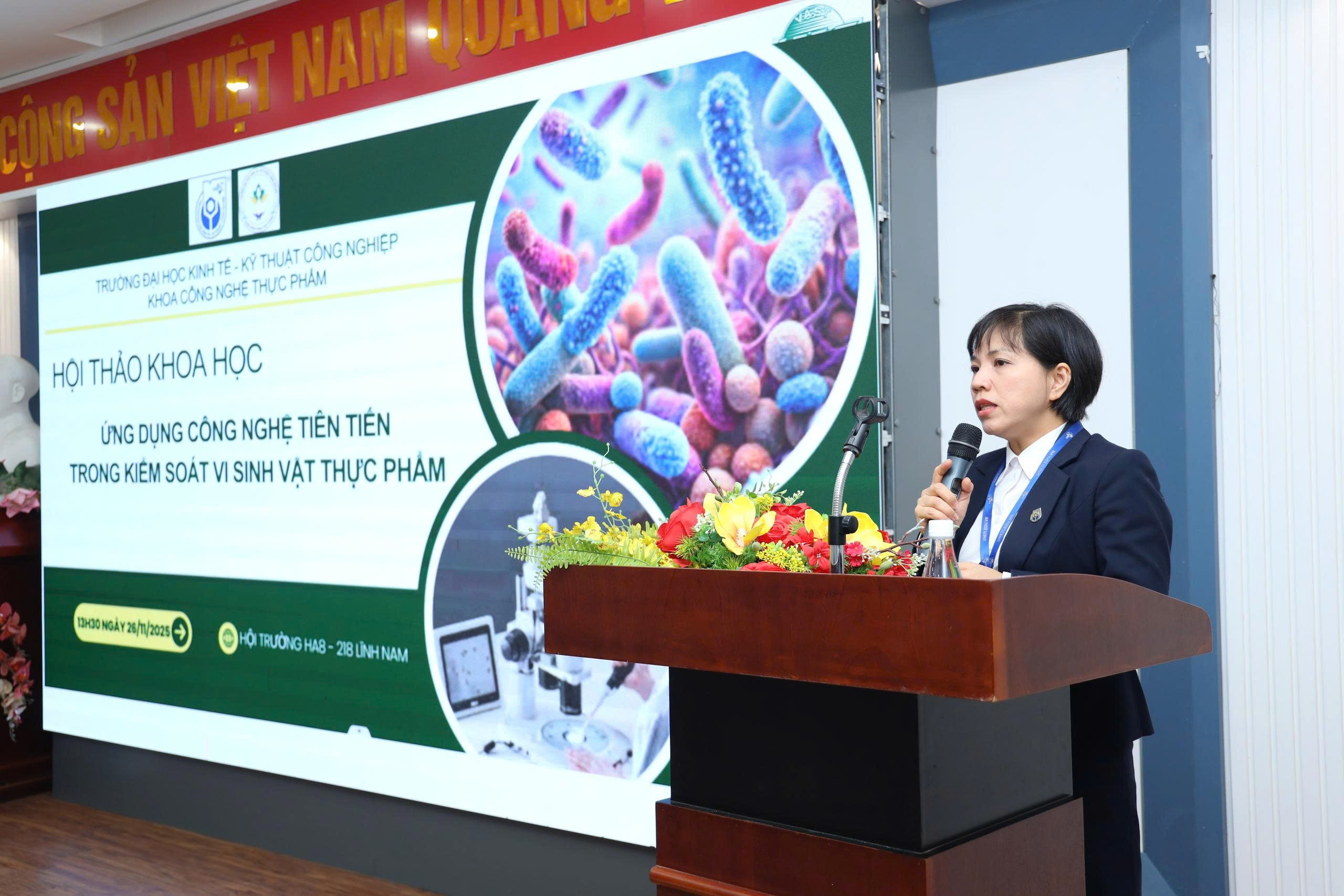

Dr. Dang Thi Thanh Quyen, Dean of the Faculty of Food Technology, delivered the opening remarks at the workshop
The presentations delivered at the workshop showcased research outcomes on the application of advanced technologies in food microbiological control, including the following: Ms. Phan Thi Gam, Representative of Ajinomoto Vietnam Co., Ltd., presented Paper 1, entitled “The Science of Amino Acids and Their Applications in Everyday Life.” Her presentation focused on the application of optimization techniques (Taguchi methods) and the control of bacterial metabolic processes, particularly lactic acid bacteria, to convert raw materials into value-added compounds such as GABA, as well as the effective treatment and utilization of food by-products (e.g., spent brewer’s yeast). Building upon this foundation, Ms. Tran Thi Minh Xuan, Representative of Ajinomoto Vietnam Co., Ltd., delivered Paper 2, entitled “Applications of Amino Acids in Fermented Products.” The presentation highlighted the successful transition from chemical synthesis to controlled fermentation technologies, enabling the industrial-scale production of amino acids (such as glutamate) with the highest standards of biosafety.

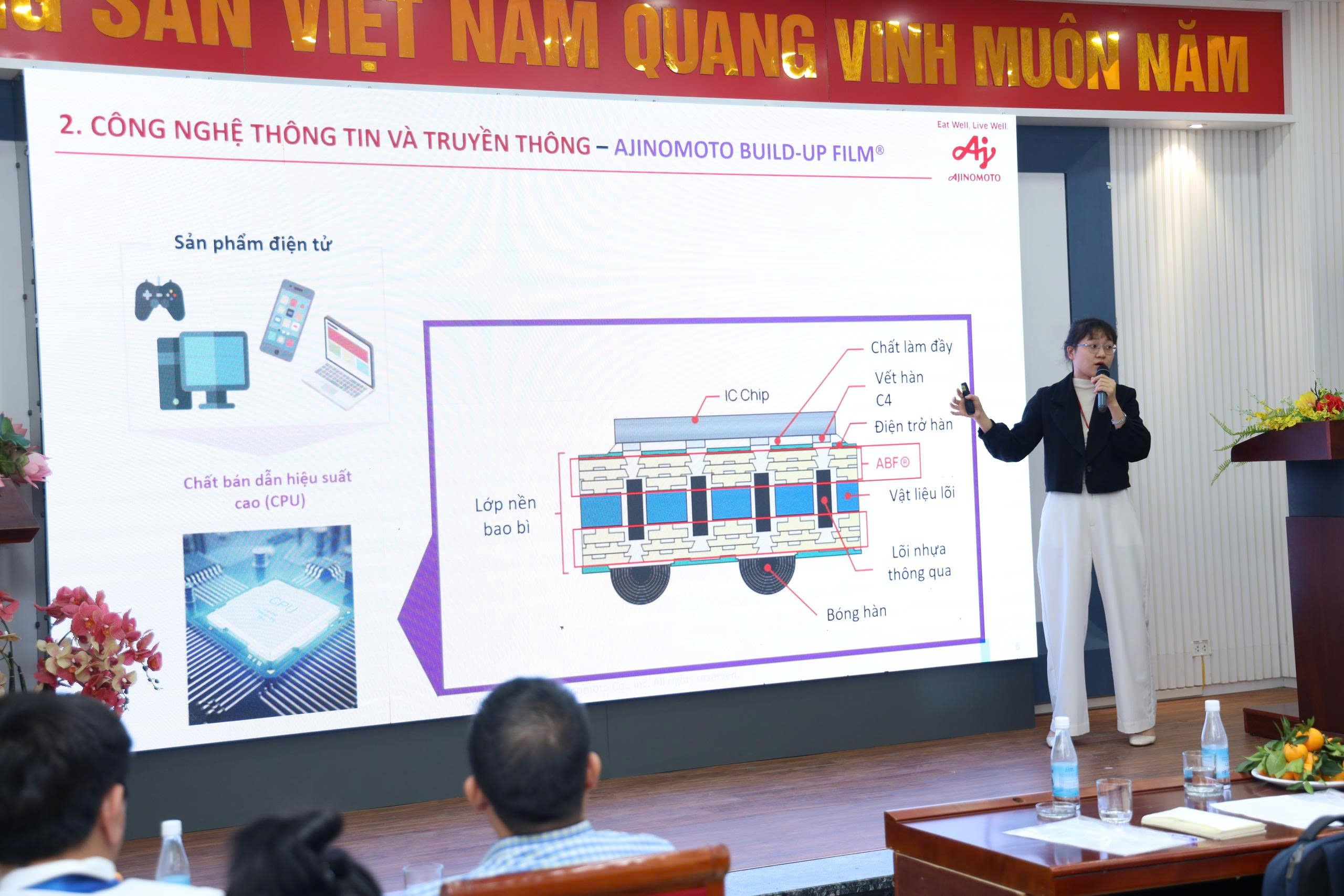
Ms. Phan Thi Gam delivered her presentation and engaged in discussions with the invited guests
Paper 3, entitled “Research and Development of Cold Plasma Devices for the Inhibition of Microbial Growth,” was presented by Dr. Nguyen Nhat Linh from the Institute of Materials Science, Vietnam Academy of Science and Technology. The presentation introduced ongoing research and development of cold plasma devices for use in the decontamination of food products and raw materials, demonstrating effective inactivation of E. coli and aflatoxins. In addition, the study highlighted the application of plasma-activated water (PAW) and plasma-generated reactive oxygen and nitrogen species (ROS/RNS), which exhibit strong antimicrobial activity.
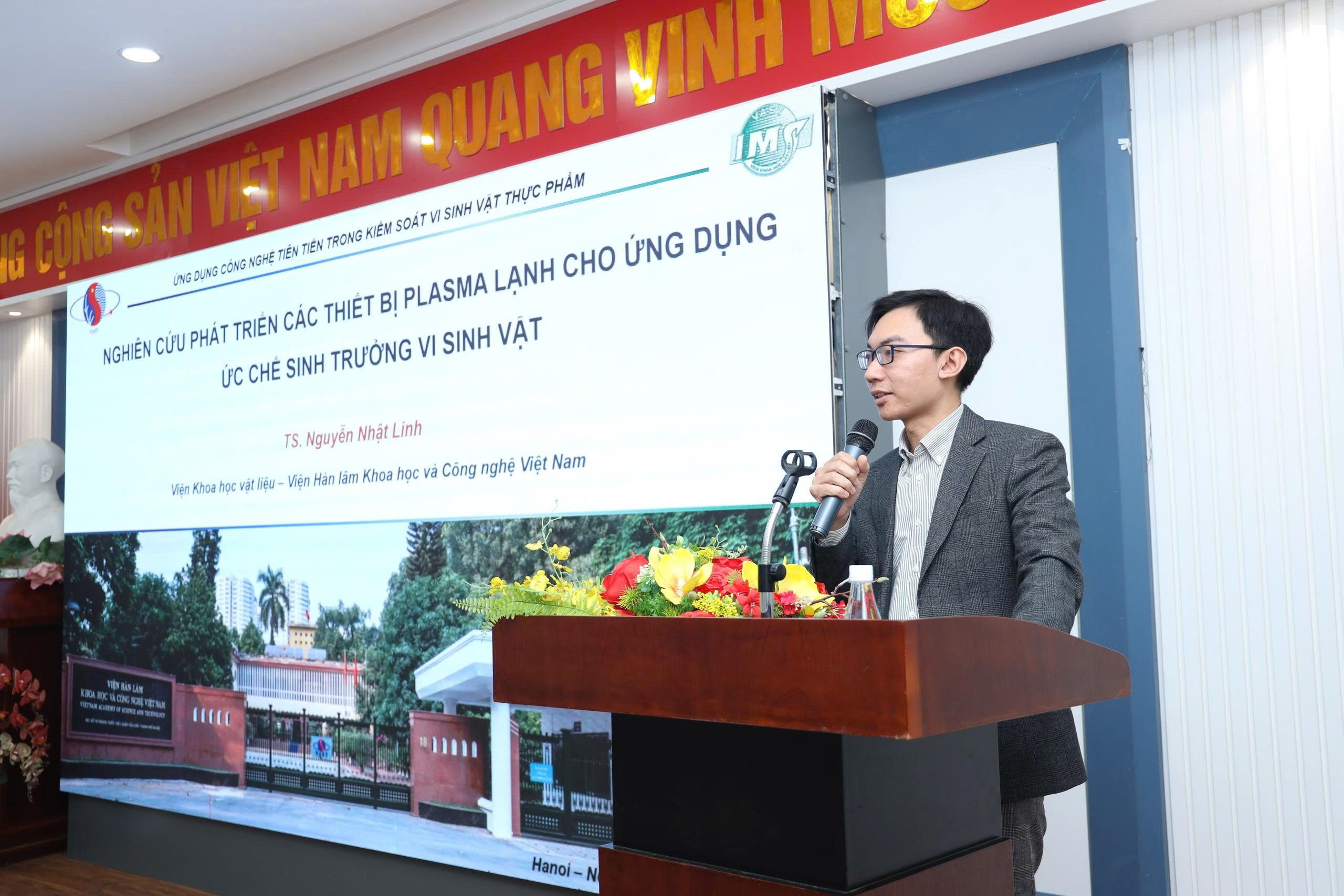
Dr. Nguyen Nhat Linh delivered his presentation and engaged in discussions with the invited participants
Paper 4, presented by Dr. Nguyen Thi Mai Huong from UNETI, focused on “The Application of Nanotechnology in Food Microbiological Control.” The presentation highlighted the use of nanomaterials to enhance antimicrobial activity in food systems, addressing the limitations of traditional methods such as undesirable changes in sensory properties. This technology has been successfully applied in the development of antimicrobial packaging (e.g., PE and PET incorporated with silver nanoparticles), which significantly reduces the growth of E. coli and Listeria, thereby extending the shelf life of food products. In addition, Paper 5, presented by Dr. Le Minh Chau, addressed “The Application of Biosensors for the Detection of Foodborne Pathogenic Bacteria.” The presentation aimed at developing integrated analytical devices capable of rapid and accurate detection of pathogenic bacteria in food. The results demonstrated the development of high-sensitivity sensors (including QCM, LSPR, and amperometric sensors) that can convert specific biological interactions into electronic signals. A key advantage of these technologies is speed, as several dangerous pathogens (such as Salmonella and Listeria) can be detected and quantified within minutes to a few hours, compared to several days required by conventional methods.
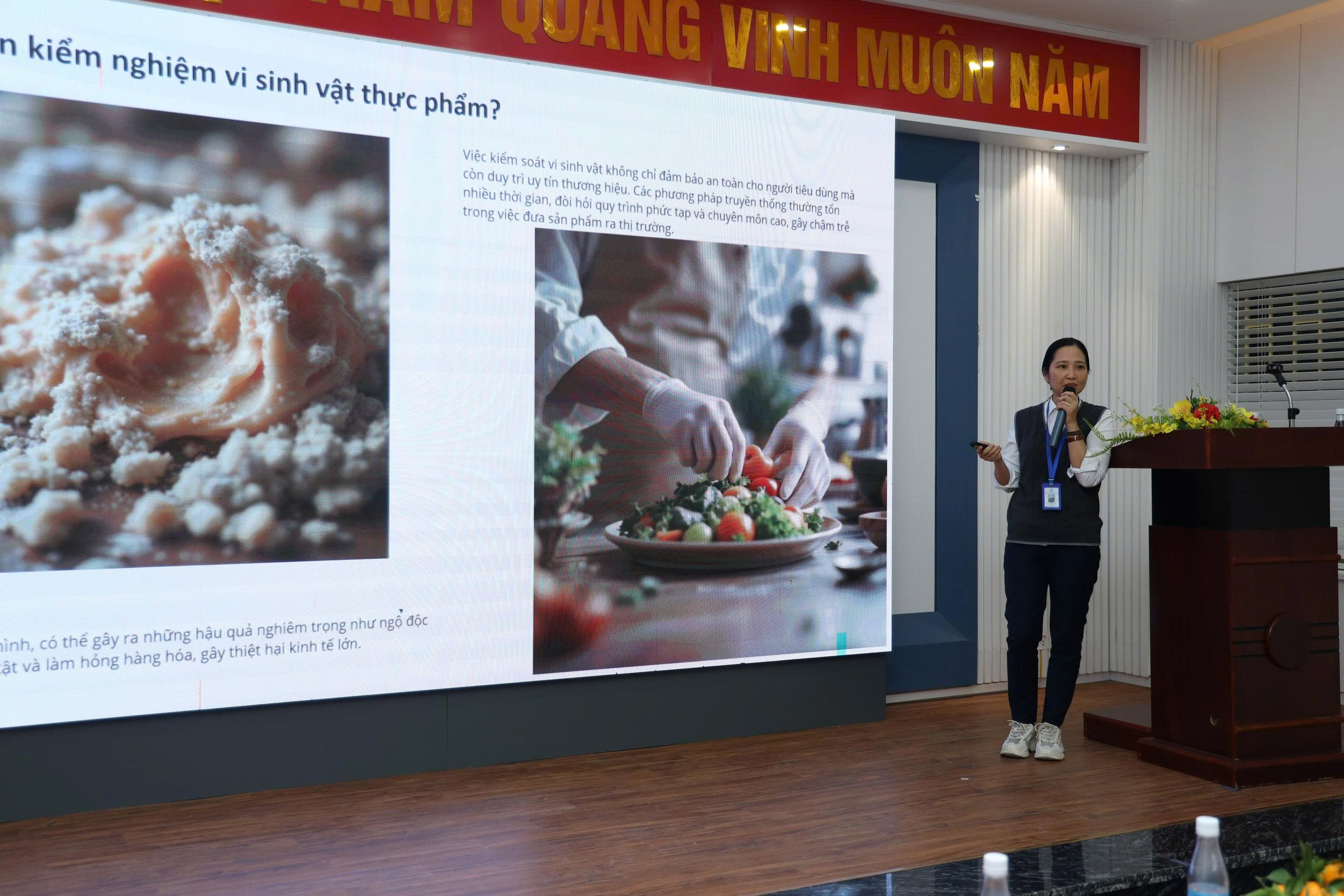

Dr. Le Minh Chau and Dr. Nguyen Thi Mai Huong presented their respective papers at the workshop
In addition, Paper 6, presented by Dr. Luong Huu Thanh from the Vietnam Academy of Agricultural Sciences – Institute of Agricultural Environment, focused on “The Application of Artificial Intelligence in Managing Pathogenic Microorganisms in Pepper and Coffee Crops.” The study involved the development of a comprehensive database and management software, employing machine learning and deep learning algorithms (such as Convolutional Neural Networks (CNN) and Random Forest) to analyze, monitor, and predict crop disease outbreaks. The application of artificial intelligence enables early detection and effective management of plant diseases, thereby supporting sustainable agricultural production and improving crop health and productivity.
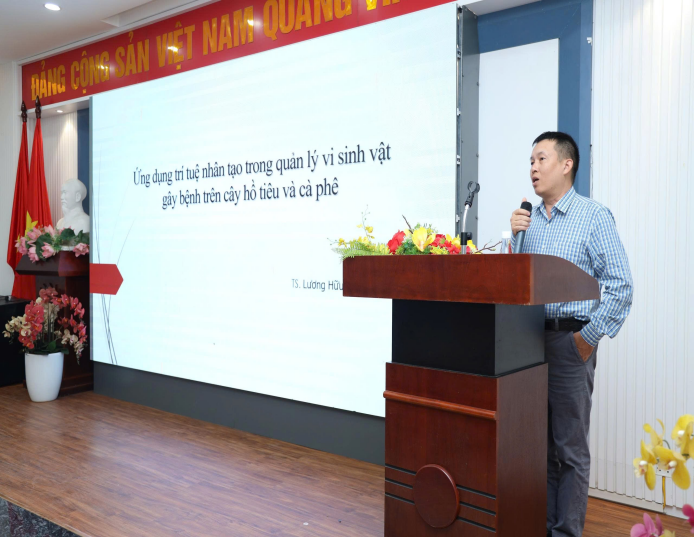
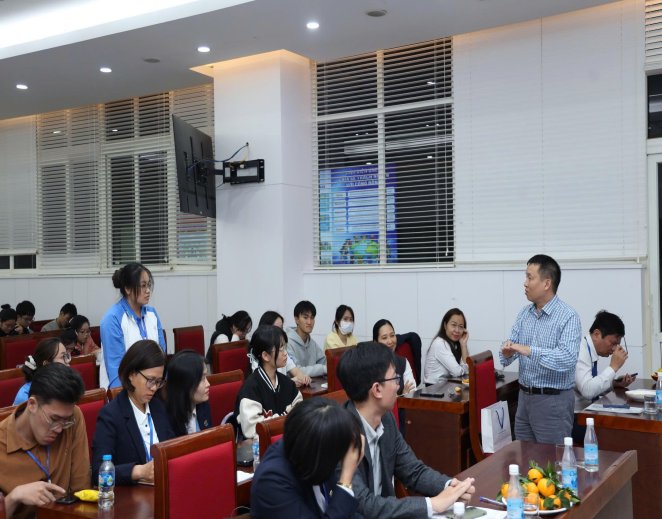
Dr. Luong Huu Thanh delivered his presentation and engaged in discussions with the invited participants
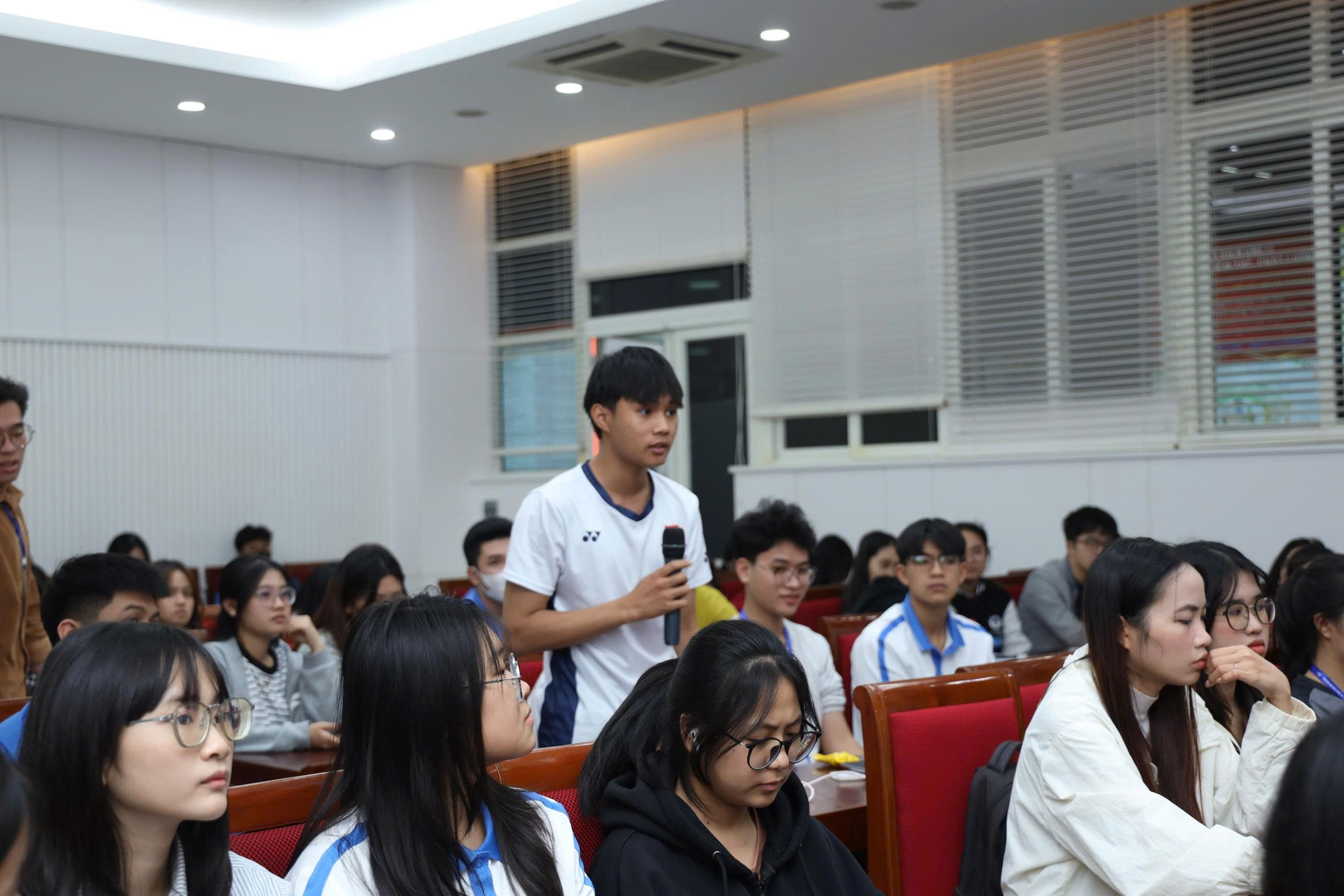
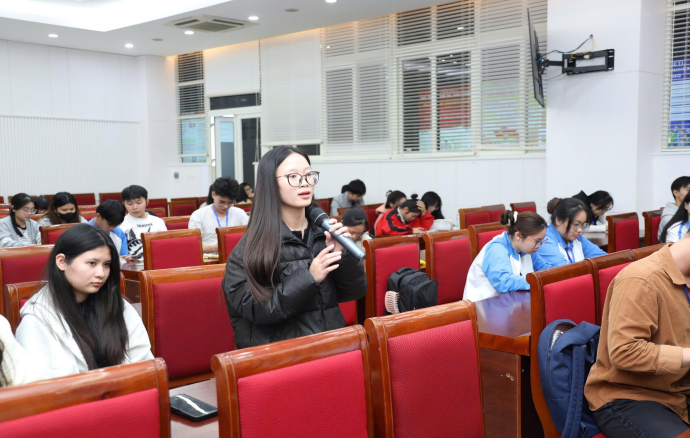
The discussion and Q&A session was conducted in a dynamic and practical manner under the chairmanship of Dr. Dang Thi Thanh Quyen, attracting active participation from the speakers, scientists, faculty members, and delegates.

At the conclusion of the workshop, Dr. Dang Thi Thanh Quyen summarized the key contents and major orientations discussed, and expressed her sincere appreciation to the distinguished delegates, scientists, experts, and faculty members for their participation. The workshop provided valuable insights into emerging research directions in the application of advanced technologies for food microbiological control, thereby contributing to the advancement and development of these fields in Vietnam.
 Delegates, keynote speakers, scientists, and invited experts take a commemorative photo at the conclusion of the workshop.
Faculty of Food Technology