

 English


 |
The University of Economics – Technology for Industries (UNETI) was established under Decision No. 1206/QĐ-TTg dated 11 September 2007 by the Prime Minister, on the basis of upgrading Industrial Economics and Technology College I, formerly Technical Secondary School III, founded in 1956. Over more than half a century, generations of leaders, staff, lecturers, employees, and students have worked with dedication, intellect, and creativity, steadily overcoming difficulties and challenges to foster the University’s continuous and sustainable development, achieving remarkable accomplishments in educating and developing human resources for the nation.
In celebrating today’s achievements, we remain mindful of our origins – anchored in a 60-year tradition of construction and growth.
The development of the universitiy is summarized in three stages
Stage 1
Forty Years of Training at the Intermediate Professional Level
Beginning in 1956, following the period of socialist transformation, Vietnam embarked on the process of economic restoration and development in the North alongside the struggle for liberation in the South. During this period, the Communist Party and the Government strengthened and expanded the education and training system through the establishment of universities, professional secondary schools, and vocational institutions. Technical Secondary School III was one of the professional schools founded at that time, tasked with training and providing technical personnel for the Light Industry sector in its early years.
In its earliest days, the School was located on Hang Su Street in Nam Dinh City and faced numerous difficulties in terms of facilities, equipment, and training experience. However, teachers and students stood together, overcoming all obstacles. The School cooperated with experts from China and the Soviet Union, as well as domestic production facilities, to develop curricula, teaching materials, and organize the first training courses. The first three cohorts consisted of only about 200 students specializing in Textile and Fiber Engineering, yet they became invaluable pioneers. Upon graduation, these students contributed to building the first factories and enterprises in Vietnam’s textile–fiber industry, and many later assumed important leadership roles in both the sector and the State. When returning to the School, many senior leaders of central agencies affirmed that this was the cradle of technical personnel training for the early Light Industry sector.
From its initial specialization in Textile and Fiber Engineering, the School expanded to 13 disciplines, including Mechanics, Boilers, Sugar Technology, MSG Production, Starch Processing, Salt Production, Paper, Wood Processing, Architecture, and Graphic Design. Its annual enrollment exceeded 500 students. The School was relocated to 353 Tran Hung Dao Street and renamed the Technical Secondary School of Light Industry. A significant honor during this period was receiving the diplomatic name “Sekou Toure Technical Secondary School,” corresponding to the Ho Chi Minh Technical Secondary School of the Republic of Guinea-Bissau, named by President Sekou Touré. The School’s facilities were gradually improved, becoming more spacious and well-equipped.
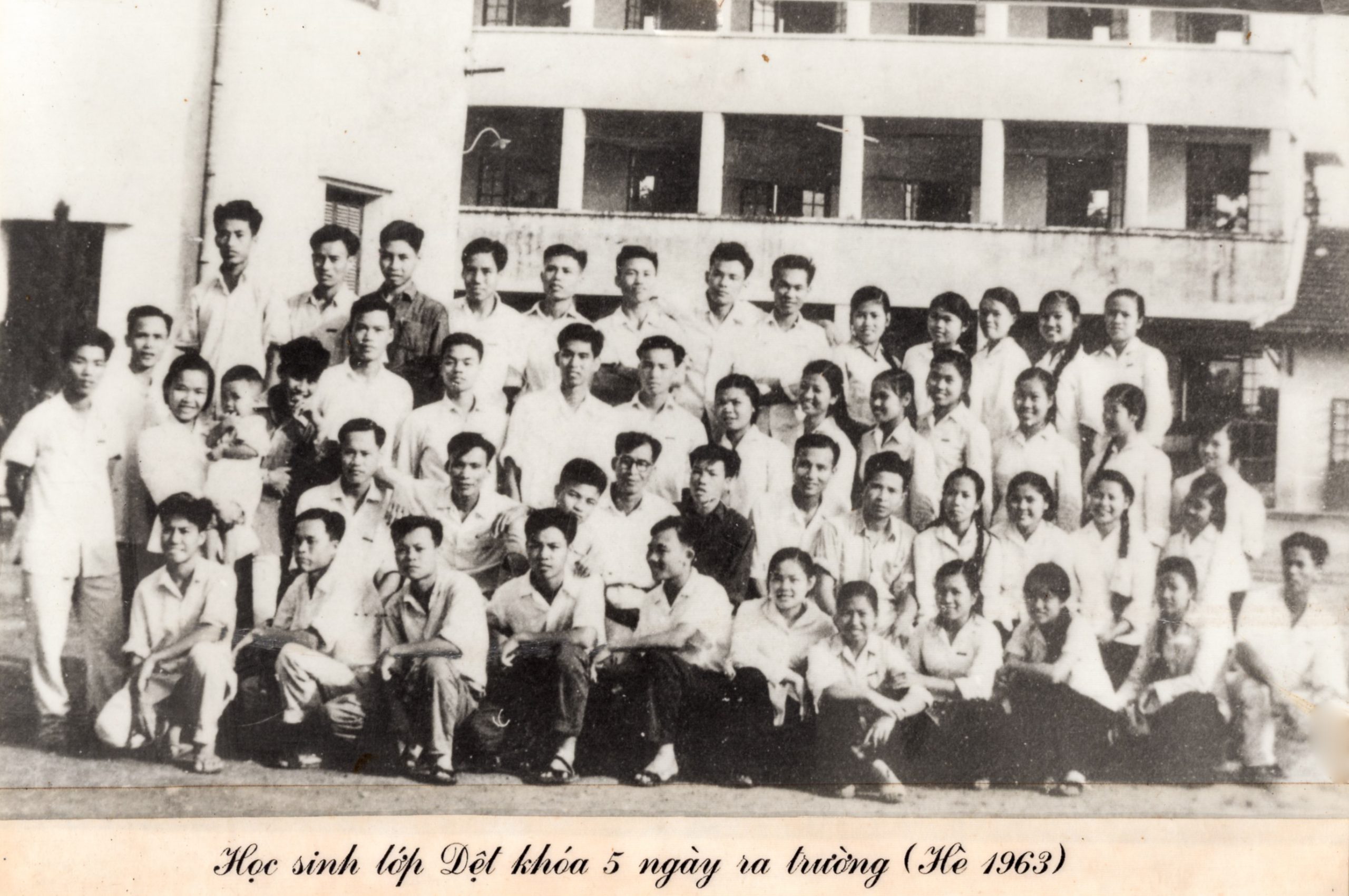
In 1965, in response to the country’s evolving economic conditions, the growing scale of the industry, and the need to withstand the escalation of U.S. bombing raids in the North, the School was reorganized into three separate institutions:
– Hà Bắc Mechanical and Equipment Technical Secondary School;
– Hải Phòng Đồ Sơn Salt Technical Secondary School;
– Nam Định Textile Technical Secondary School.
In 1969, after the United States was forced to halt its bombing campaign in the North, faculty and students returned to the School to resume their mission, expanding training activities to promptly support the restoration and development of industrial production. The School’s recruitment area was broadened across the northern region. In addition to full-time, on-campus programs, part-time and in-service university-level programs grew rapidly, supplying technical personnel to central factories and local industries. Notable examples include training programs supporting small-scale mechanical manufacturing for the provinces of Nam Dinh, Ha Nam, Ninh Binh, and Thai Binh.
In 1971, implementing the policy of combining research with training, the School was merged with the Institute of Textile Industry to form the Sekou Toure Textile Institute. Teaching, learning, and scientific research were advancing in an integrated manner when, at the end of 1972, U.S. forces once again intensified their bombing of the North. The School was evacuated for a second time. American bombs caused severe destruction, demolishing most of the workshops and laboratories, and inflicting casualties among staff and teachers. In early 1973, immediately after the United States was compelled to cease bombing the North for the second time, faculty and students returned to rebuild the School from the ruins. The institution swiftly restored and reconstructed classrooms, workshops, and laboratories to continue its teaching, learning, and research mission.
In 1975, following the complete liberation of the South and national reunification, new demands arose for scientific research and training to meet the needs of both regions. Consequently, the Sekou Toure Textile Institute was separated into the Institute of Textile Industry – which was relocated to Hanoi (with an additional branch established in Ho Chi Minh City) – and the Textile Technical Secondary School, which remained in Nam Định with the task of providing personnel and teaching support to schools in the southern region.
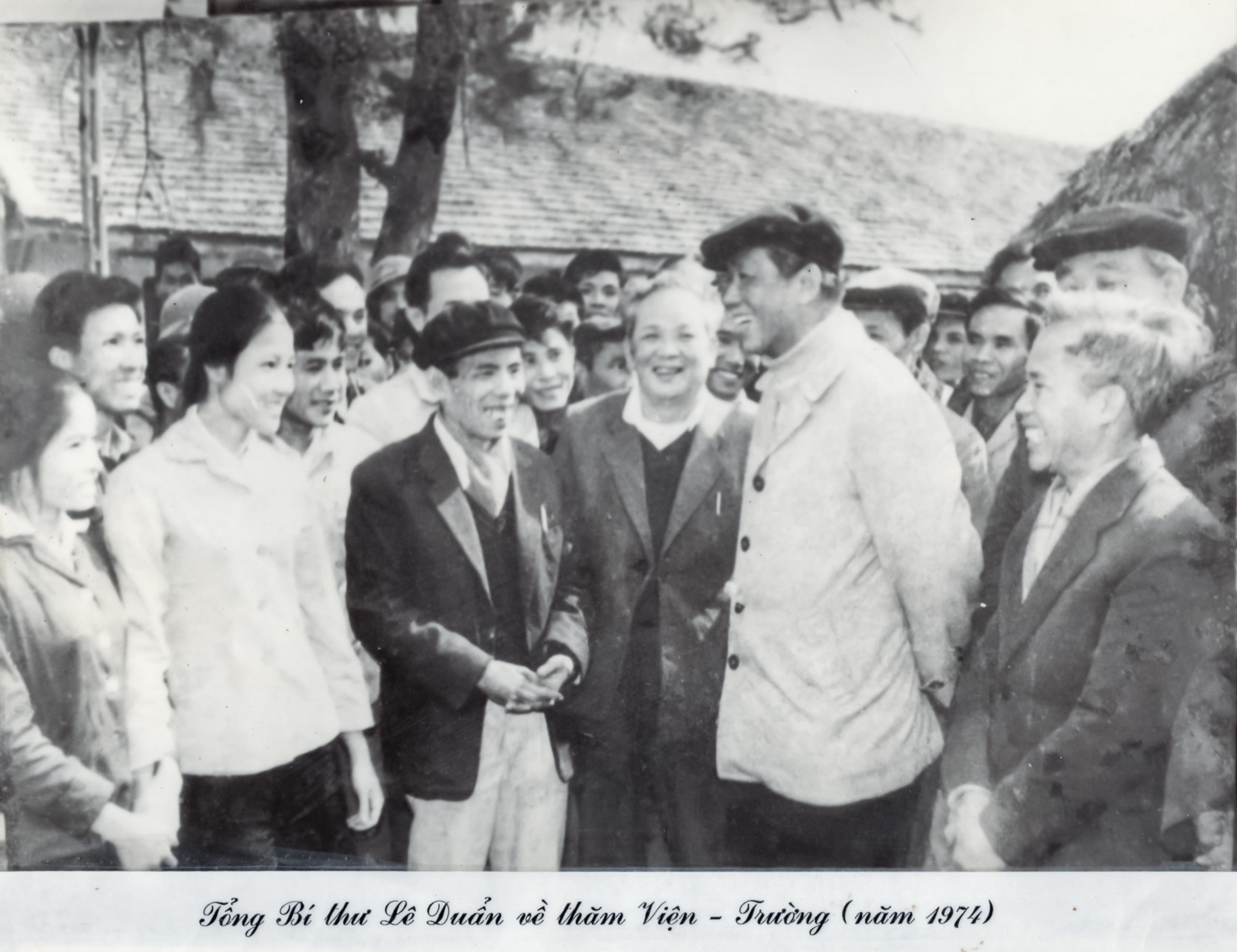
From 1975 to the early 1990s, Vietnam entered a period focused on overcoming the aftermath of war. The national economy fell into severe crisis, and living conditions were extremely difficult, significantly affecting the education and training sector in general and the School in particular. As the mission of professional secondary education faced the risk of disruption due to contraction, the Ministry of Light Industry consolidated several institutions into the School. These included Viet Tri Paper Technical Secondary School, the Light Industry Management Training School, and the Secondary-level Garment Program of the Dau Keo Garment School (Gia Lâm), forming a unified institution named Nam Định Light Industry Technical School. In 1991, the School was renamed Nam Định Industrial Economics – Technology School of Light Industry.
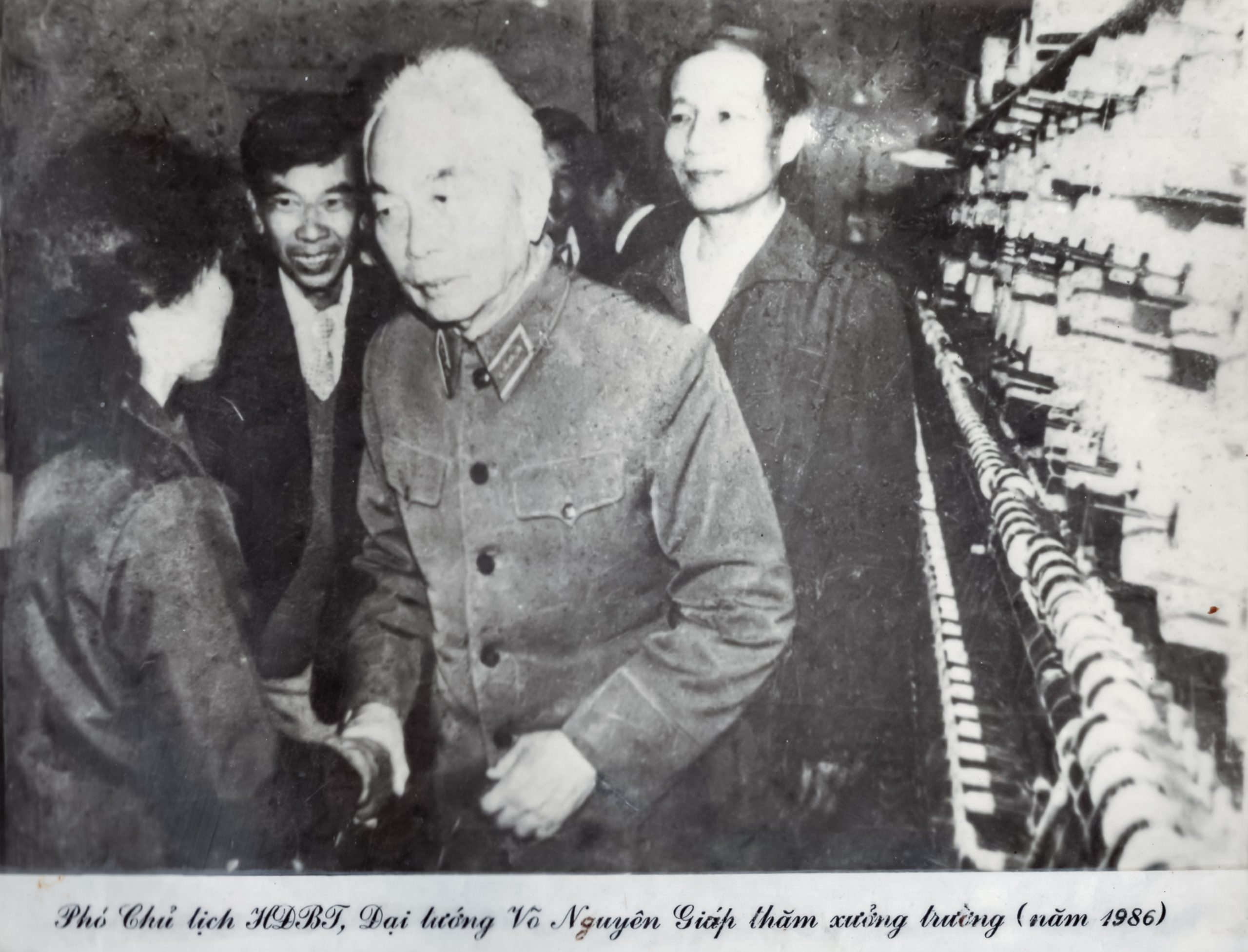
During this particularly challenging period, the Party Committee and the School’s Board of Directors focused their leadership on fostering self-reliance and resilience, and on fully mobilizing the intellect and talent of the faculty, staff, and students. Their goal was to identify solutions to overcome difficulties, stabilize living conditions, and explore new directions for the School’s development. Numerous creative initiatives emerged, most notably the “Integrated Training Model.” Under this model, the School’s training programs were closely linked to production activities in the School’s own workshops as well as in factories and enterprises within the sector. Tens of thousands of products were supplied to the market, generating significant economic returns that helped improve the livelihoods of teachers and students while simultaneously enhancing the quality of training. The School expanded its training activities to the provinces of Thua Thien-Hue, Da Nang, Quang Nam, Quang Ngai, and Binh Dinh. It also provided training for over 200 technical intermediate-level personnel for Laos and Cambodia. Throughout the implementation of this integrated model, the School directed its academic departments to align curricula with production requirements, persistently safeguarding and improving the quality of professional secondary education while conceptualizing higher-level goals in line with socio-economic development. As a result, the School continued to grow sustainably at a time when many other professional secondary schools were dissolved or downgraded to vocational training.
It can be said that this period laid the foundation for the School’s traditional culture, defined by steadfast commitment to goals, unity and creativity, boldness in action, revolutionary determination, tireless effort, leadership in innovation, and strict adherence to discipline and professional ethics. Consequently, the School consistently achieved outstanding results and became a leading institution in professional education within both the Light Industry sector and Ha Nam Ninh Province.
Stage 2
Development into a College of Economics – Technology
In 1992, in alignment with the national Renovation policy, the Ministry of Light Industry merged the Hanoi Light Industry Technical Worker School (formerly the Worker Training School of the 8/3 Textile Factory) with the Nam Dinh Industrial Economics – Technology School of Light Industry. The unified institution was named the Industrial Economics – Technology School of Light Industry, operating with two campuses: 456 Minh Khai – Hanoi and 353 Tran Hung Dao – Nam Dinh.
This period marked a profound transformation in Vietnam’s socio-economic landscape. The country entered the era of industrialization and modernization, building a socialist-oriented market economy. Such changes required reform in education and training to meet new production demands. In response, the School conducted scientific research under the Ministry-level project “KTVCC/93” in collaboration with the Institute for Educational Development Research, the University Department, and the Technical and Vocational Education Department of the Ministry of Education and Training. Through this project, the School studied training models from France, Germany, Thailand, and other countries, combined with the practical needs of production nationwide.
Based on these findings, the School proposed a new model of technical personnel described as “competent in both theory and practice,” and recommended that the Government approve a pilot training program for the “Advanced Technician” system—later known as the “Technical College Degree.” This pilot program was implemented on a large scale across the North, Central, and South regions through partnerships with various universities and enterprises nationwide.
Research evaluations confirmed that graduates of the first cohort successfully fulfilled production requirements upon employment in factories and enterprises. Consequently, on 24 July 1996, the Prime Minister issued Decision No. 478/QĐ-TTg upgrading the institution to the Light Industry Economics – Technology College, tasked with training and fostering college-level personnel, conducting scientific research to support socio-economic development, and offering multi-level, multi-disciplinary training programs.
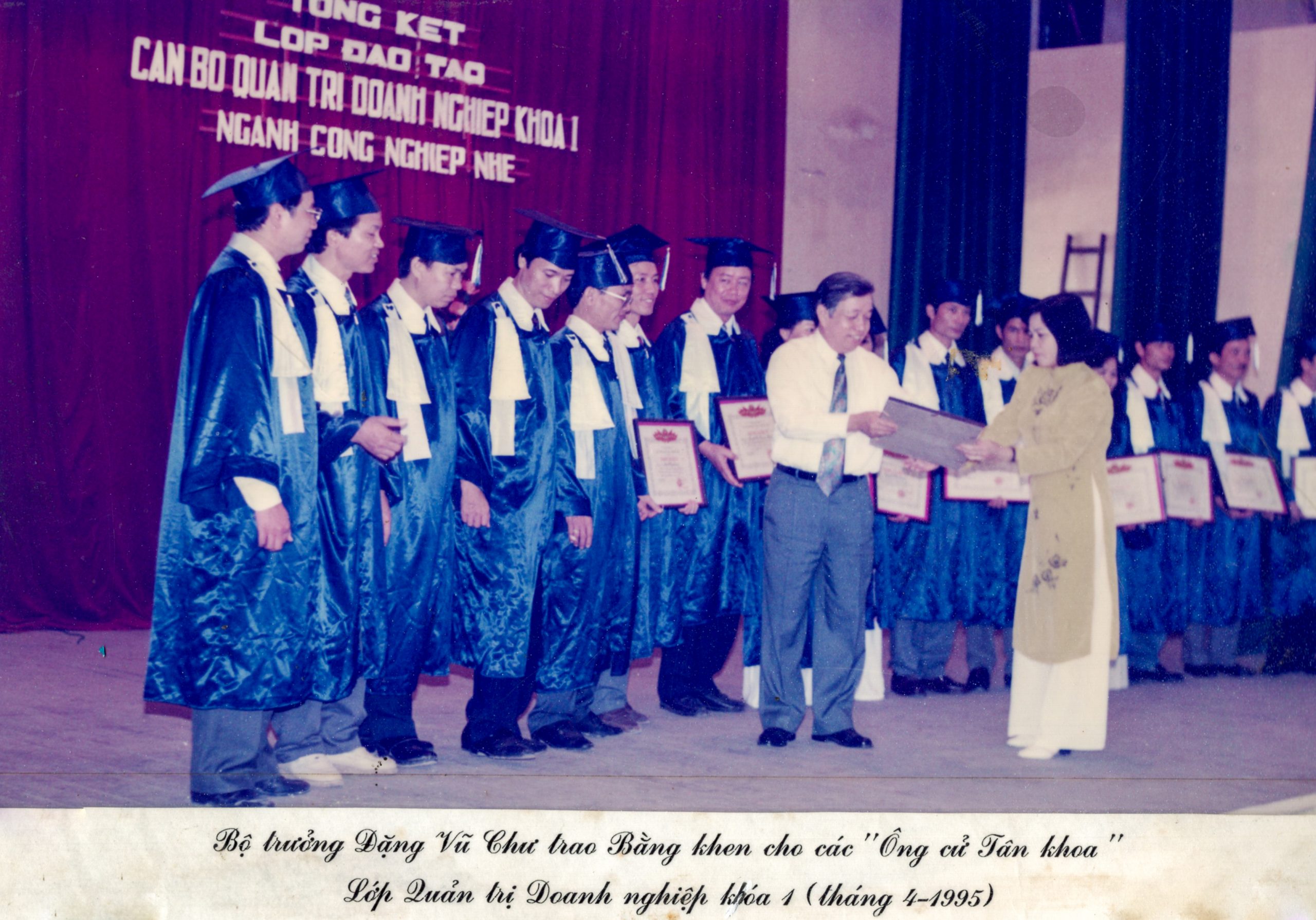
In 1998, the institution was renamed College of Economics – Industrial Technology I. The School concentrated its resources on diversifying training programs and expanding enrollment scale, while continuously renewing curricula and developing new teaching materials and textbooks. New disciplines were introduced across all academic levels and modes of study, including full-time, part-time, and bridging programs, such as Information Technology, Automation Engineering, Electronics, Mechatronics, Automotive Technology, and Finance–Banking.
To strengthen and further develop its corps of managers and lecturers, the Party Committee issued a dedicated Resolution on human resource development, outlining a strategic plan and roadmap for faculty growth through 2015. Key measures included recruiting high-achieving graduates from reputable universities, providing mentoring and probationary periods to assess competence and professional commitment, and subsequently offering opportunities for further training and qualification enhancement.
Scientific research was emphasized as a core mission of the institution. A Scientific Council was established and quickly initiated research activities. Over eleven years, the College successfully completed 14 ministerial-level projects and 175 institutional and departmental-level research projects. These projects not only contributed effectively to teaching and training but were also applied in production in several localities. Notable projects included the development of bridging-degree programs, research on rural industrialization, and digitalization of academic management. Remarkably, some projects were led by students, such as the “Application of AT89 Microcontroller Family for Automatic Clothesline Winding Mechanism” by Nguyen Manh Truong (Electronics College Class K13), which was evaluated with outstanding results.
During this period, the School recognized the necessity of regional and international integration and therefore actively expanded international cooperation. It forged partnerships and training linkages with institutions and organizations abroad, including Rajamangala Institute of Technology (Thailand), IHK Dresden Training Center (Germany), AOTS and JODC (Japan), and Yunnan University of Finance and Economics (China). These collaborations facilitated technological transfer, strengthened scientific research, improved faculty development, and mobilized resources for upgrading infrastructure and modernizing teaching and laboratory equipment.
The School effectively implemented the objective of linking training with practical production through partnerships with enterprises and research institutes such as Nam Dinh Textile Company, Hue Textile Company, Nha Trang Textile Company, Hanoi Textile Company, 8/3 Textile Company, Hanoi Brewery, Na Da Brewery, Nam Dinh Garment Company, Nam Dinh Export Garment Company, Garment 10 Corporation, Thang Long Mechanical Company, the Textile and Garment Institute, Bai Bang Paper Company, the Paper and Cellulose Institute, the Food Industry Institute, among others. These collaborations enabled students to access modern equipment, technologies, and advanced production management systems for practical training and laboratory work.
To ensure high-quality training outcomes, the School developed comprehensive measures and regulations for standardizing training content and approval procedures for visiting lecturers. Examination and assessment activities were conducted using question banks, pre-exam inspections were implemented each semester, and theoretical tests were administered under a unified format across subjects. Practical assessments were directly tied to product outputs for real market evaluation. The School strengthened student management through regular educational sessions, periodic classification activities, and continuous communication with families via digital systems to provide updates and coordinate supervision. Extracurricular and student engagement initiatives were also promoted to foster holistic development. Surveys indicated that over 85% of graduates secured employment upon completion of their studies and received positive evaluations from agencies and enterprises.
In parallel with academic reforms, the School invested significantly in infrastructure. Over a ten-year period, multiple facilities were upgraded or newly constructed, including lecture halls C, D, and K; a three-story practical training workshop; a nine-story administrative building at the Hanoi campus; lecture hall A1; the canteen; the faculty office building; and Administration Building A5 at the Nam Định campus. These developments contributed to modern, spacious, and well-maintained environments at both campuses. The School also acquired modern equipment such as CNC systems for Mechanical Engineering, automated pattern-making and marker layout machines for Garment Technology, specialized electronic sewing machines from Japan, spectrophotometers and small-scale dye testing equipment for Dyeing Technology. Additionally, two library systems were developed, one of which is an electronic library, along with teleconferencing facilities connecting both campuses, providing essential support for training requirements in the new development phase.
In addition, the School focused on expanding practical training activities integrated with production work and promoting training services within the permitted framework to increase welfare revenue and create additional employment opportunities for faculty and staff, thereby ensuring that the average income continued to rise year after year.
The School also regularly organized excursions during summer vacations, Tet holidays, and other festive occasions for faculty and staff, while improving living and accommodation conditions for students residing on campus. At the same time, the School directed and facilitated the Trade Union and Youth Union in strengthening healthy cultural and sports activities, as well as student exchange programs between the two campuses and partner institutions through sports competitions, art performances, camping events, and participation in contests organized by Vietnam Television. These activities fostered an atmosphere of solidarity, enthusiasm, and confidence among the School community.
Assessing the achievements over 11 years of college-level training, we can proudly affirm that this period marked a new stage of development following 40 years of solid experience in vocational and professional secondary education. It was a phase that highlighted and continued to cultivate the School’s long-standing cultural identity, characterized by rapid yet steady and sustainable growth, establishing the foundation for the transition to university-level training in the years to come.
Stage 3
The Beginning of the University Education Era
Preparations for establishing the University of Economics – Technology for Industries commenced long before its official formation. Even during its time as a secondary technical institution, the School collaborated with Hanoi University of Science and Technology, National Economics University, Thai Nguyen University of Technology, and others to open in-service university programmes as early as 1964, practical university courses in 1983, second-degree programmes in Business Administration for managerial cadres in 1992, and postgraduate courses from 1997. Through joint training initiatives with partner universities, the School conducted research to develop undergraduate curricula based on the Ministry of Education and Training’s framework while adopting approaches aligned with technological advancements. These programmes also enabled lecturers to gain experience in university-level teaching.
In parallel with curriculum development, the School strengthened its academic workforce through recruitment, classification, and continuous professional development. Training courses in pedagogy and emerging technologies were actively organized, and resources were mobilized to send lecturers abroad for further study. Annually, between 15 and 20 lecturers received training in countries such as Germany, Japan, South Korea, Singapore, Malaysia, Thailand, China, and Brunei. The School also held regular teaching demonstrations at faculty and institutional levels, and actively participated in provincial, municipal, and national competitions, where many lecturers achieved high recognition. These activities provided valuable experience in teaching innovation for both educators and the institution as a whole.
Based on its tangible capacity and the growing demand for highly skilled human resources with technological expertise, scientific thinking, and professional competence, particularly for the Red River Delta industrial zone amid national industrialization and modernization, the School was included in the development plan for upgrading to university status in the 2004-2010 period by the Ministry of Industry. Following the Ministry’s directive, in 2005, the School developed the proposal to establish the University of Economics – Technology for Industries on the foundation of the College of Economics – Technology for Industries No. I.
During the development of the establishment proposal, the School received strong support and favorable conditions from the Ministry of Industry (now the Ministry of Industry and Trade), the Ministry of Education and Training, the People’s Committee of Nam Dinh Province, as well as central and local authorities. These support measures included land allocation for campus expansion, investment in facilities and staffing, and the expedited appraisal and submission of the proposal to the Government. As a result, on 11 September 2007, the Prime Minister signed Decision No. 1206/QĐ-TTg, officially establishing the University of Economics – Technology for Industries on the basis of upgrading the College of Economics – Technology for Industries I.
Immediately following the Prime Minister’s Decision, the University promptly completed the required legal procedures and was authorized by the Ministry of Education and Training to open its first five undergraduate programmes: Textile Technology, Food Technology, Electrical Engineering Technology, Accounting, and Business Administration, with an initial enrolment quota of 700 students. Today, the first cohort has graduated, becoming engineers and bachelor’s degree holders in their respective fields.
Since the institution’s elevation to university status, its leadership, faculty, staff, and students have demonstrated strong determination and resilience amid the country’s growing international integration. Achievements over the past four years represent a continuation of the School’s long-standing traditions and the accomplishments built over more than five decades. Key results include:
– Sustained multi-level, multi-disciplinary training, now encompassing 10 undergraduate majors, 15 college-level programmes, and 15 vocational secondary programmes. The University’s reputation has remained firmly established, with training capacity steadily increasing. This is clearly reflected in annual admissions, where the number of applicants consistently remains high, and enrolment results have always met or exceeded the assigned quotas. To date, the University continues to maintain a strong and stable pool of prospective students.
– Significant expansion of campus land and infrastructure. In Nam Dinh, the University now operates at two locations: a 17,000 m² site at 353 Tran Hung Dao and a 250,000 m² site in My Xa Ward (including 200,000 m² officially allocated and 50,000 m² temporarily assigned). In Hanoi, the University also has two campus locations: a 7,000 m² site at 456 Minh Khai, Hai Ba Trung District, and a 20,000 m² site in Linh Nam Ward, Hoang Mai District, which has been approved by the Hanoi People’s Committee for development.
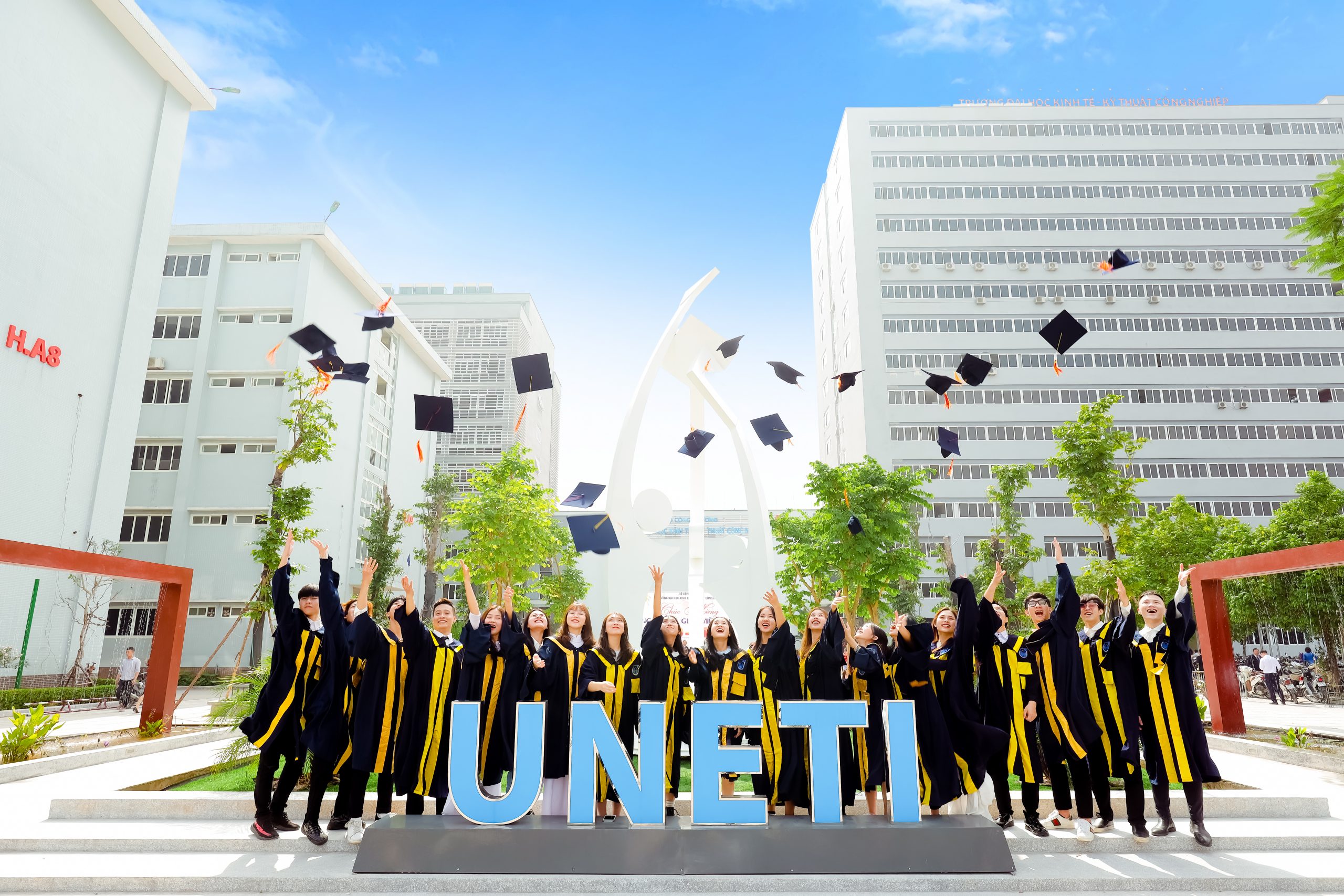
Over the past five years, the University has continued to implement the project “Comprehensive Planning for the University of Economics and Technical Industries until 2020”, with a total investment exceeding VND 550 billion. To date, the construction of a 15-story building – the tallest in Nam Dinh City, has been substantially completed, along with three practice workshops covering over 3,000 m², two dormitory buildings, and the infrastructure at the My Xa campus, as well as the landscaping and garden systems across both the Hanoi and Nam Dinh campuses. The implementation of these works has amounted to over VND 250 billion, of which 80% comes from the University’s own funds. Concurrently, additional equipment procurement has been carried out with an investment exceeding VND 70 billion.
Significant efforts have also been devoted to the training and development of the academic staff during this period.
– Currently, the University employs 660 full-time academic and administrative staff, including 540 lecturers, among whom there are 72 doctoral holders and doctoral candidates, and 360 with master’s degrees or equivalent, accounting for nearly 80% of the full-time teaching staff. In addition, nearly 300 associate professors, doctors, masters, and experienced engineers from universities, research institutes, and enterprises contribute as visiting lecturers.
– Scientific research has been institutionalized with defined norms for each lecturer, and the University’s Scientific Council has been restructured and now operates under the University’s new regulations. Over the past five years, the University has successfully completed 12 ministerial-level research projects, 17 framework programs and occupational skill standards under the Directorate of Vocational Education and Training, and 255 school- and faculty-level research projects, which have been effectively applied both within the University and in production activities in various localities.
– The management of students has been separated from the Personnel–Student Affairs Office into an independent office, with additional staff and resources, enabling the organization of more in-depth activities. These efforts are closely coordinated with local police, authorities, and families to ensure a thorough understanding of students’ situations both within the University and in the wider community, thereby maintaining campus and local security and preventing major incidents. Simultaneously, the University has strengthened cultural, sports, and exchange activities between its two campuses, as well as with local communities and other organizations. Numerous competitions and thematic talks linked to scientific research have been organized; regular contests for outstanding students in specialized fields are held; and talented students are supported, trained, and invested in to participate in national and regional skills competitions. Each year, students have consistently achieved high awards at national and regional levels. Notably, in 2011, Vu Thi Mai Hien, a student of the K3 Bridging Program in Garment, won a Gold Medal, ranking first in Southeast Asia in the Garment–Fashion field. She was one of 13 outstanding candidates representing 12 vocational fields in Vietnam to compete at the WorldSkills Competition in London, UK, and was among seven Vietnamese students awarded the Certificate of Excellence at the 2011 international competition.
– In recent years, the University has deepened relationships with existing partners and expanded cooperation with new institutions, including Western Sydney University (Australia), National Taiwan University of Science and Technology, National University of Laos, and Plovdiv University of Food Technology (Bulgaria). Notably, on October 14, 2011, the University became an official member of the International Association of Universities for Food Science and Technology, headquartered in Plovdiv, Bulgaria, comprising 18 universities from countries including France, Germany, Russia, Turkey, Greece, and Bulgaria. The partnership aims to foster scientific research collaboration, support advanced training programs, and establish high-quality courses under a spirit of mutually beneficial cooperation.
– The University has continued to focus on improving the living standards of both academic staff and students by promoting internship programs integrated with productive work and expanding training services to increase welfare revenue and create additional employment opportunities for staff. A revised Internal Expenditure Regulation has been issued, aligned with Decree 43/CP and new government regulations, ensuring transparency across departments, faculties, and offices, while promoting fairness and democracy for all. As a result, the average monthly income currently reaches VND 6,500,000 per person. Social, cultural, and artistic activities continue to be maintained and strengthened, fostering a lively and enthusiastic atmosphere among staff, lecturers, and students.
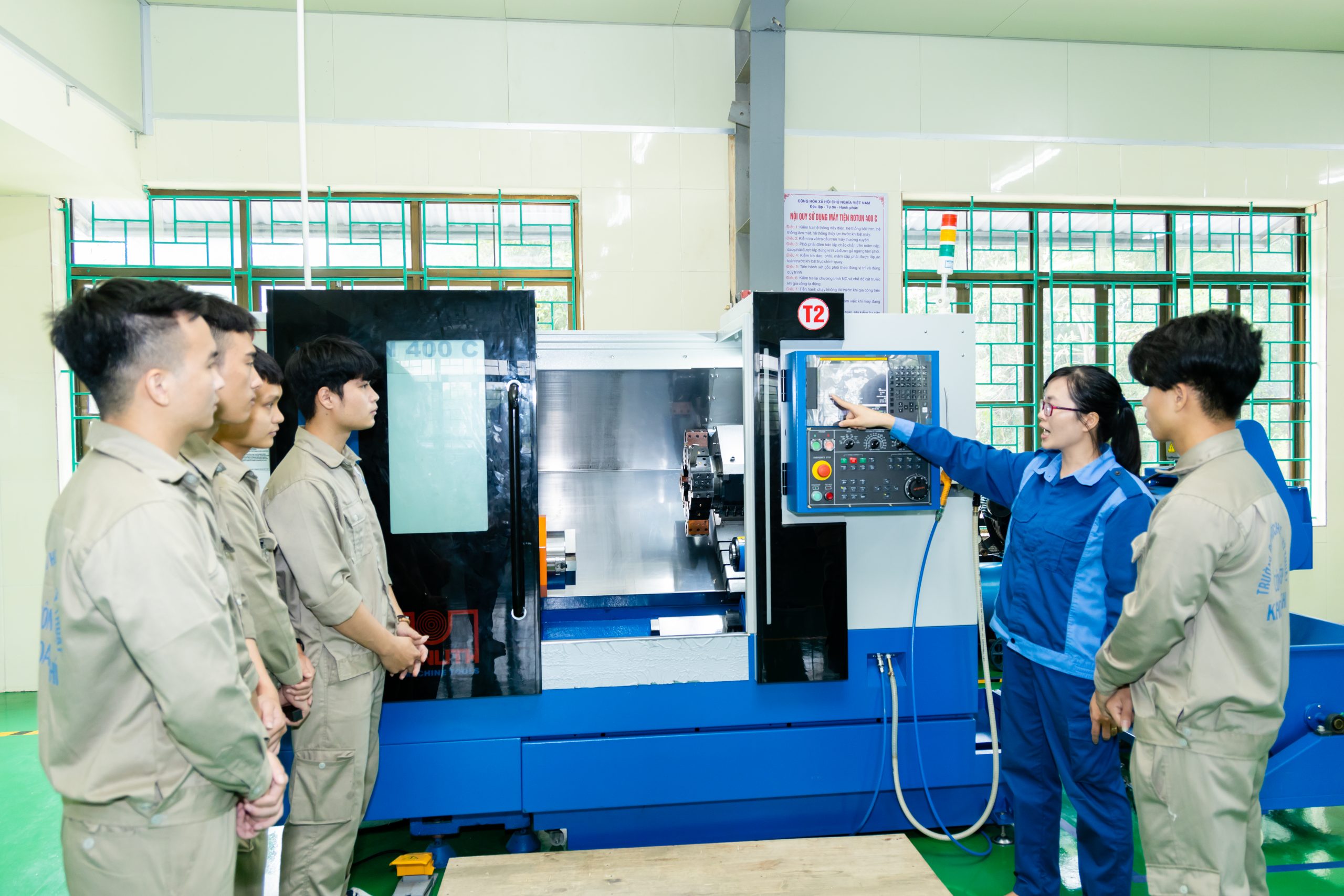
Looking back on more than half a century of dedicated effort, every member of the University – faculty, staff, and students alike – can undoubtedly feel a deep sense of pride and happiness for their persistent commitment and contributions to the survival and development of the institution, upholding the reputation and prestige of a school that has, for 40 consecutive years, remained a leading vocational secondary school, for 11 years a strong college under the Ministry of Industry and Trade, and now is entering a new phase of higher education. The University has trained more than 140,000 highly qualified graduates at the university, college, and vocational secondary levels, becoming a reputable training center nationwide. Its enrollment scale has steadily increased, with the number of applicants rising each year, consistently meeting or exceeding targets. The University currently enrolls over 30,000 students. With these accomplishments, we can proudly assert that the University of Economics and Technical Industries has undergone 55 years of sustainable development and is now reaching outward to integrate fully into the global educational arena.
These achievements are the collective effort of the Party Committee, University leadership, and mass organizations such as the Trade Union, the Ho Chi Minh Communist Youth Union, the Women’s Union, the Veterans’ Association, and of course the entire faculty, staff, and student body. They have been recognized and honored with numerous prestigious awards by the Party, the State, and various ministries and agencies. The University has been awarded two First-Class Independence Orders (2011, 2005), one Second-Class (2001), one Third-Class (1996); two First-Class Labor Orders (1985, 1992), one Second-Class (1981), and two Third-Class (1960, 1962); First-Class Freedom Order from the People’s Democratic Republic of Laos (1981), along with numerous certificates and flags of merit from various levels and agencies. The University’s Trade Union received a Third-Class Labor Order (2005), and the Youth Union was awarded a Second-Class Labor Order (2004) and a Third-Class (1999). Individually, one person received First-, Second-, and Third-Class Labor Orders, four individuals received Third-Class Labor Orders, and 682 faculty members received various medals and awards. Additionally, two teachers were honored with the title of People’s Teacher, 13 with the title of Excellent Teacher, and 27 departments, faculties, and individuals received Certificates of Merit from the Prime Minister.
These achievements are not only remarkable but are deeply rooted in the University’s traditions and values, considered invaluable lessons. Chief among them is the tradition of unity and loyalty, with staff and students working harmoniously as a warm, family-like community, upholding discipline, democratic governance, and mutual support in both joyous and challenging times. This principle, described by President Ho Chi Minh as something to be “guarded as the apple of one’s eye,” remains fundamental to the University’s development. Valuable lessons have also been drawn from applying intellectual focus, creativity, and the Party and State’s guidelines to training activities. All members are encouraged to rise to higher responsibilities, act wholeheartedly for the benefit of students, and contribute passionately to the development of the University. This commitment has enabled the University to train tens of thousands of skilled workers, technical staff, and managers who serve in factories and enterprises across the country.
The University’s traditions and achievements are inseparable from the guidance and invaluable support of the Party and State, the Ministry of Industry and Trade, the Ministry of Education and Training, the provinces of Nam Dinh and Hanoi, local authorities, partner agencies, enterprises, and other educational institutions. The achievements and experience accumulated over more than fifty years are not only a source of pride for the present generations but also a foundation for future generations to build upon. While the University’s leadership, faculty, staff, and students have accomplished much, there remain challenges and shortcomings to address in order to establish the University as a standard institution with international reputation and standing. Immediate tasks include reorganizing administrative structures to meet new requirements, implementing comprehensive measures to enhance the quality of education at all levels, and strictly adhering to the campaigns: “Study and follow Ho Chi Minh’s moral example,” “Say no to corruption and performance-based culture in education,” “Say no to breaches of teacher ethics or students in the wrong classes,” and “Say no to substandard training.” The University must expedite the implementation and exceed the targets of the Comprehensive University Planning Project until 2020, particularly the expansion project of the Hanoi campus in Linh Nam Ward, Hoang Mai District. Continuing efforts include updating curricula, upgrading facilities, especially modern laboratory equipment, and developing a faculty capable of meeting the demands of new educational standards. This vision and course of action require the dedication and determination of every faculty member, staff, and student in the years to come.
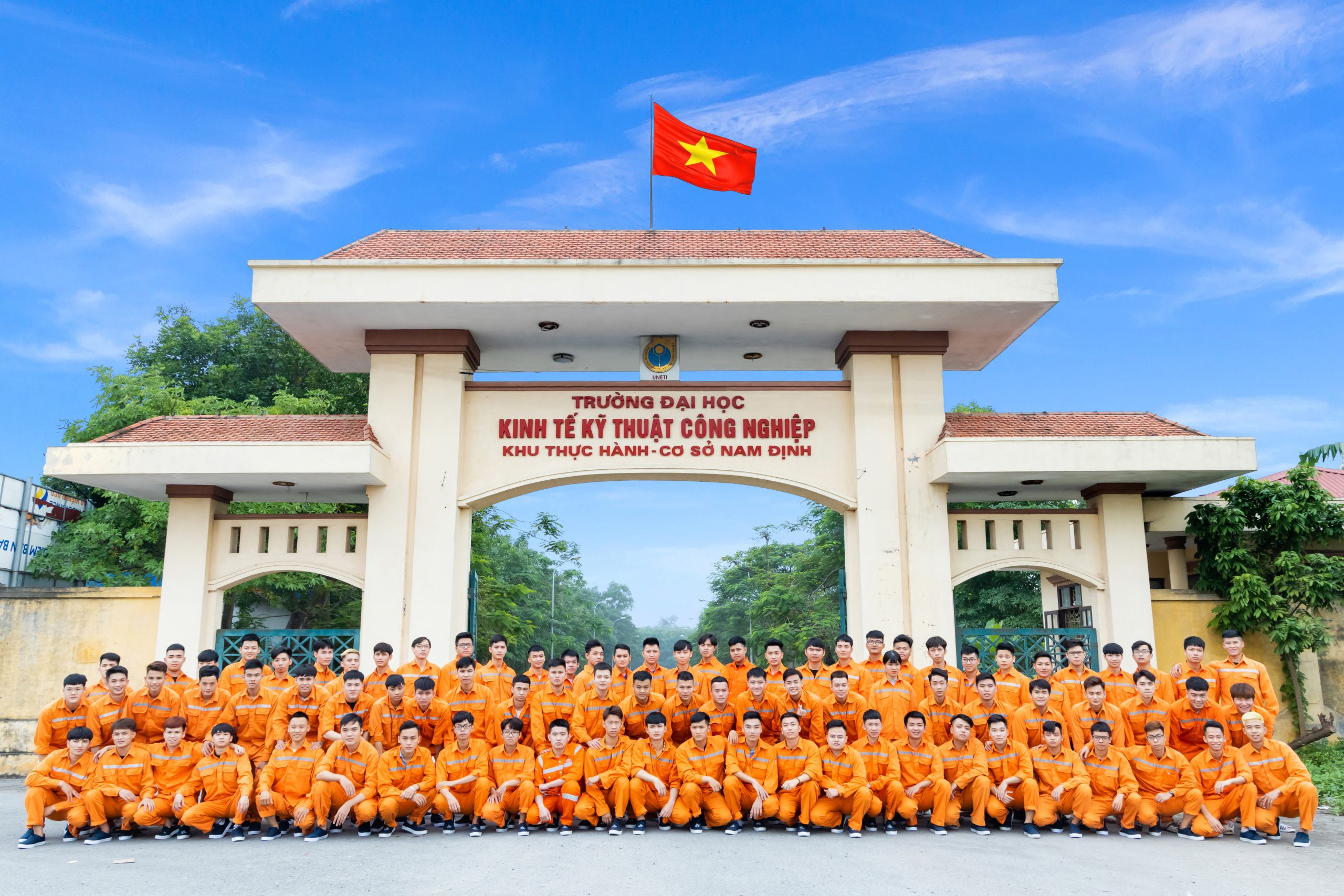
Building on the traditions and achievements of the past 60 years and with a clear determination of its orientation, goals, and tasks for the time ahead, the University of Economics and Technical Industries will undoubtedly continue to develop sustainably, making even greater contributions to the training of highly qualified human resources for the country’s industrialization and modernization, as well as for its integration into the international community.