

 English


 |
1. History and development:
The Faculty of Mechanical Engineering, formerly the Faculty of Electromechanics, is one of the first units of the University of Economics – Technology for Industries. After several stages of upgrading and renaming, by 2004, the Faculty of Mechanical Engineering was officially established after the Faculty of Electromechanics was divided into two faculties: Mechanical Engineering and Electrical and Electronic Engineering. After more than 68 years of effort and development, with many organizational and operational models adjusted to suit each period, the Faculty of Mechanical Engineering has now built a team of staff and lecturers as well as facilities that it can be proud of, meeting the development requirements of the new stage. As of May 2024, the Faculty of Mechanical Engineering is conducting training in 01 Master’s program in Mechanical Engineering, 03 undergraduate programs including Mechanical Engineering Technology (program code 7510201), Mechatronics Engineering Technology (program code 7510203), and Automotive Engineering Technology (program code 7510205). The current student scale of the Faculty of Mechanical Engineering exceeds 2,100 students.
2. Achievements:
The Faculty collective has received many Certificates of Merit from the Ministry of Industry and Trade; the Emulation Flag for units with outstanding achievements from the Vietnam Public Employees’ Trade Union; Certificates of Merit from the People’s Committee of Hai Ba Trung District; many individuals have been awarded Certificates of Merit from the Ministry of Industry and Trade and have been recognized for many years as an Outstanding Labor Collective. In addition, many individuals have been awarded the title of Emulation Fighter of the Ministry of Industry and Trade and received Certificates of Merit from the Ministry of Industry and Trade and the Hai Ba Trung District Labor Federation.
3. Organizational structure:
Regarding organizational structure, the Faculty of Mechanical Engineering currently has 01 Party Cell responsible for Party-related work, and 01 Faculty Executive Board responsible for management and professional activities. Supporting the Faculty Executive Board in professional matters are 04 departments: the “Department of Manufacturing Engineering Technology”, the “Department of Machines and Machine Design Fundamentals”, the “Department of Mechatronics”, and the “Department of Automotive Engineering”. In addition, the Faculty of Mechanical Engineering also has a Trade Union Group and a Youth Union Sub-committee associated with scientific research activities of clubs, responsible for movement activities and academic emulation of student members.
During its operation, it always follows the principle of Party leadership, faculty and departments’ implementation, and supervision and encouragement by the Trade Union. Party Cell and Trade Union meetings are held regularly, contributing effectively to professional activities.
The organizational structure of the Faculty of Mechanical Engineering is presented in the following diagram:
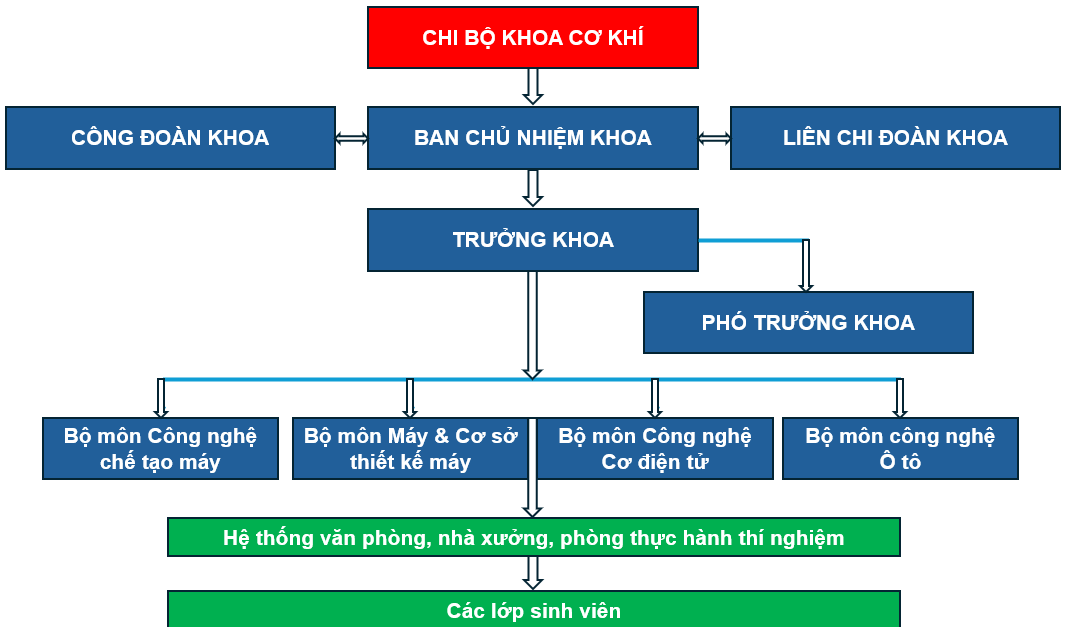
Organizational structure diagram of the Faculty of Mechanical Engineering
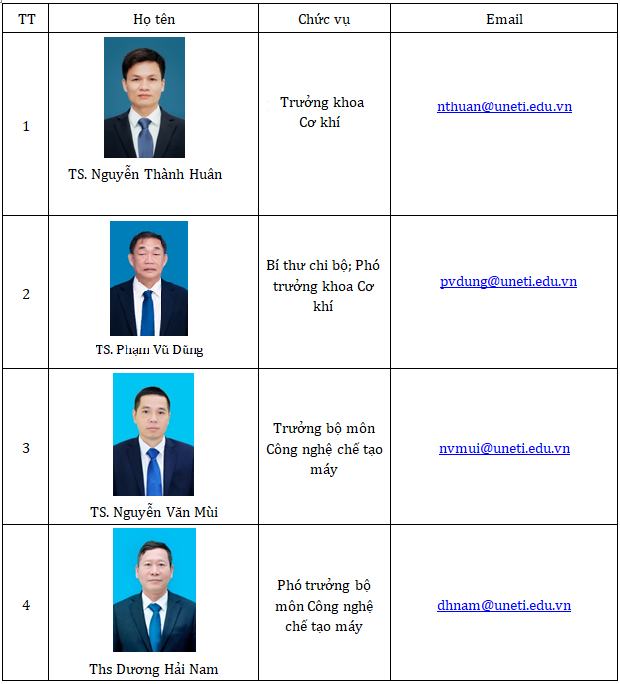
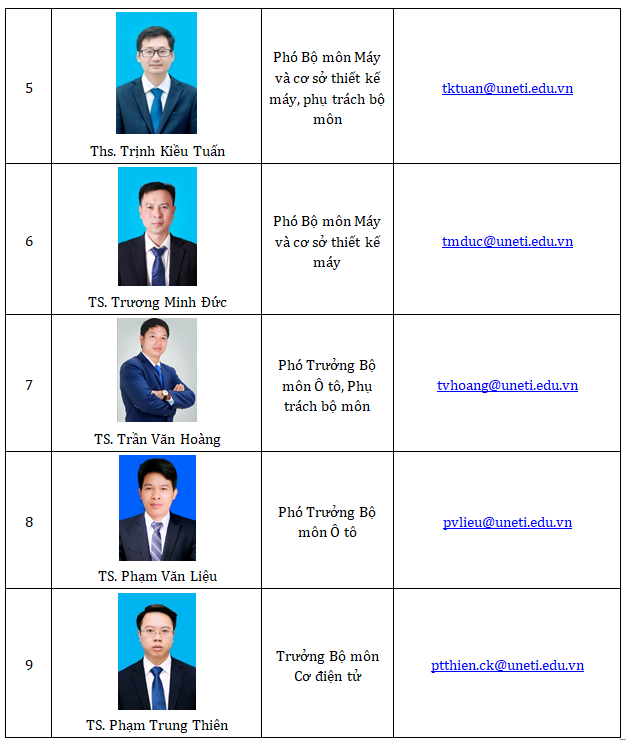
List of leaders of the Party Cell, Faculty, and Departments of the Faculty of Mechanical Engineering
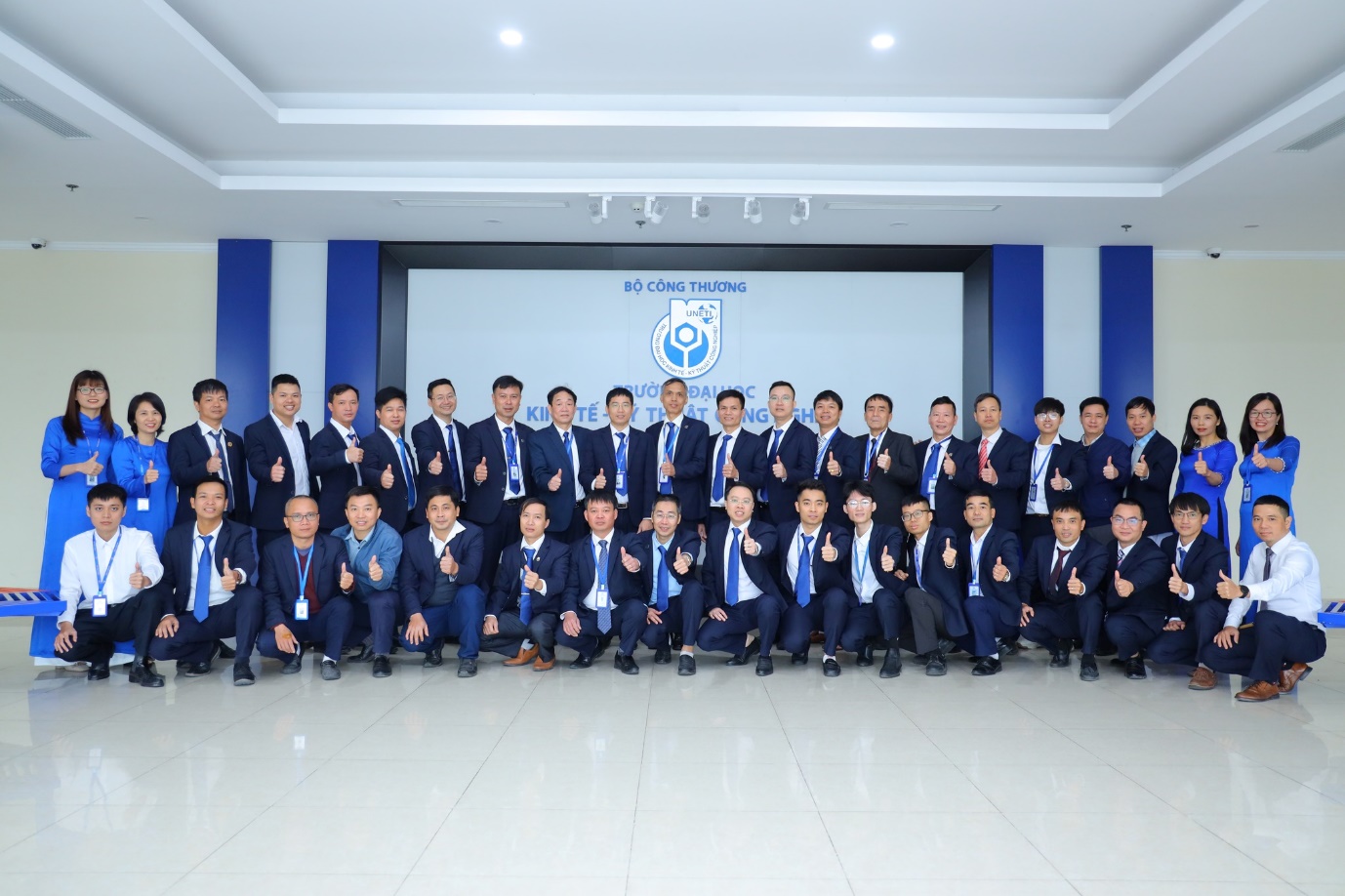
The collective of lecturers of the Faculty of Mechanical Engineering
4. Functions and duties:
– Functions:
The Faculty of Mechanical Engineering has the function of training and fostering human resources at the Master’s level in Mechanical Engineering and at the undergraduate level in Mechanical Engineering Technology, Mechatronics Engineering Technology, and Automotive Engineering Technology in accordance with the regulations of the Ministry of Education and Training; at the same time, serving as a center for research, application, and transfer of science and technology for management, production, and business activities in the fields of Mechanical Engineering Technology, Mechatronics, and Automotive Engineering.
– Duties:
-
To develop plans and organize the implementation of education and training activities in accordance with the general plan of the University, including: developing training curricula for majors and specializations assigned by the University; organizing the compilation of detailed syllabi for relevant courses to ensure consistency and avoid overlap among courses within training programs or between training levels; organizing curriculum development, formulating projects, compiling teaching materials and textbooks in line with the University’s development orientation; conducting research and improvement of teaching and learning methods; developing and implementing methods for testing and evaluating students’ learning and training outcomes, ensuring learning outcomes in accordance with publicly announced commitments and meeting labor market demands. The development of training programs, textbooks, and teaching materials must comply with the regulations of the Ministry of Education and Training;
-
To develop plans and organize the implementation of scientific and technological activities and international cooperation; to cooperate with scientific and technological organizations, production and business establishments related to training fields, and to mobilize the participation of enterprises in the Faculty’s training process;
-
To develop plans for the development of the teaching staff, training fields, and facilities serving training and scientific research, and to strengthen conditions ensuring training quality;
-
To develop plans and organize the implementation of political, ideological, moral, and lifestyle education for lecturers, employees, and learners; to develop plans for training and professional development to improve qualifications and professional skills for lecturers and other employees of the Faculty;
-
To manage and effectively exploit the system of facilities, equipment, and practice–laboratory rooms invested by the University and sponsored by enterprises, such as: basic/advanced CNC practice workshops, TIG/MIG/MAG welding workshops, machining workshops, fitting workshops, CAD/CAM/CAE practice rooms; Metrology Technology practice rooms, mechanical design rooms; basic mechanical equipment rooms, etc.
5. Scale and operational capacity:
– Scale:
-
Teaching staff:
The Faculty of Mechanical Engineering currently has a total of 40 teaching staff members, including: 01 Associate Professor, 13 PhDs, 04 doctoral candidates; 19 Master’s degree holders; and 03 engineers. In addition, there are 01 Associate Professor and 02 Master’s degree holders as full-time lecturers, and many Associate Professors and PhDs with experience from universities and research institutes serving as visiting lecturers at the Faculty. -
Learners:
As of May 2024, the Faculty of Mechanical Engineering is conducting training in 01 Master’s program in Mechanical Engineering and 03 undergraduate programs: Mechanical Engineering Technology (program code 7510201), Mechatronics Engineering Technology (program code 7510203), and Automotive Engineering Technology (program code 7510205). The current student scale of the Faculty of Mechanical Engineering reaches nearly more than 2,100 students.
– Professional capacity:
-
Training activities:
Master’s degree in Mechanical Engineering; undergraduate engineers specialized in Mechanical Engineering Technology, Mechatronics, and Automotive Engineering. -
Scientific research activities:
The University issued a decision to establish key research groups in Mechanical Engineering and the interdisciplinary field of Mechatronics – Automation for the period 2023–2027, implementing scientific research projects and projects at various levels (national level, ministerial level, provincial/departmental level, university level, and faculty level). Many completed research projects have been evaluated as excellent by acceptance councils, with products applied in practice. The Faculty of Mechanical Engineering has also cooperated with many reputable domestic training institutions (universities and research institutes) such as Hanoi University of Science and Technology, Hanoi University of Industry, Military Technical Academy, University of Transport and Communications, Thuy Loi University, etc., to carry out science and technology tasks and to participate in the supervision, evaluation, and acceptance of Master’s and PhD theses. -
Equipment utilization and production:
The Faculty cooperates with several manufacturing enterprises to promote guidance for student practice and internships, improve the quality of practical skills training, and bring real products into mechanical workshops for machining and fabrication in order to maximize the effectiveness of modern equipment available at the workshops. To date, the Faculty of Mechanical Engineering has established a network of cooperation with dozens of enterprises, universities, and reputable research institutes in the Northern region, and has formed a team of lecturers with capabilities in mechanical machine design and manufacturing who are able to approach the real market through dozens of cooperative research and technology transfer projects.
6. Development orientation:
Aiming at developing training activities for highly qualified and high-quality technical personnel in line with practical social trends, the Faculty of Mechanical Engineering focuses on key innovation objectives with long-term orientation, including:
– Innovating and improving management methods and evaluation of training, scientific research, and technology transfer activities in order to build a scientific and open working environment for faculty members and lecturers;
– Supplementing and developing a team of professional and managerial staff with both dedication and competence to meet the stringent requirements of training and research in the new period;
– Orienting the development of facilities, including practice workshops and diverse interdisciplinary laboratories, in line with the objective of combining teaching with practical production;
– Strengthening international cooperation and exchange in training and capacity building, advanced skills training, organization of workshops, and scientific research;
– Orienting the development of production–training–service cooperation models based on existing modern equipment and workshops to meet social needs.
7. Contact information:
– Hanoi campus: Room 105 HA11, 9-storey building, Alley 218 Linh Nam, Hanoi City
– Nam Dinh campus: Room 610 NA2 building, No. 353 Tran Hung Dao Street, Nam Dinh City
– Website: https://khoacokhi.en.uneti.edu.vn/
– Fanpage: https://facebook.com/khoacokhiuneti/
– Email: khoacokhi@en.uneti.edu.vn
The practical workshops in My Xa – Nam Dinh are managed according to the 5S model.
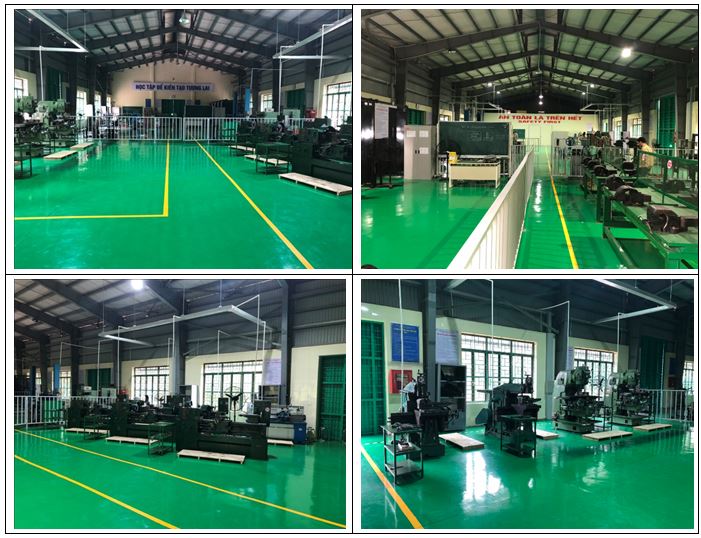
General-purpose machine tools practice workshop
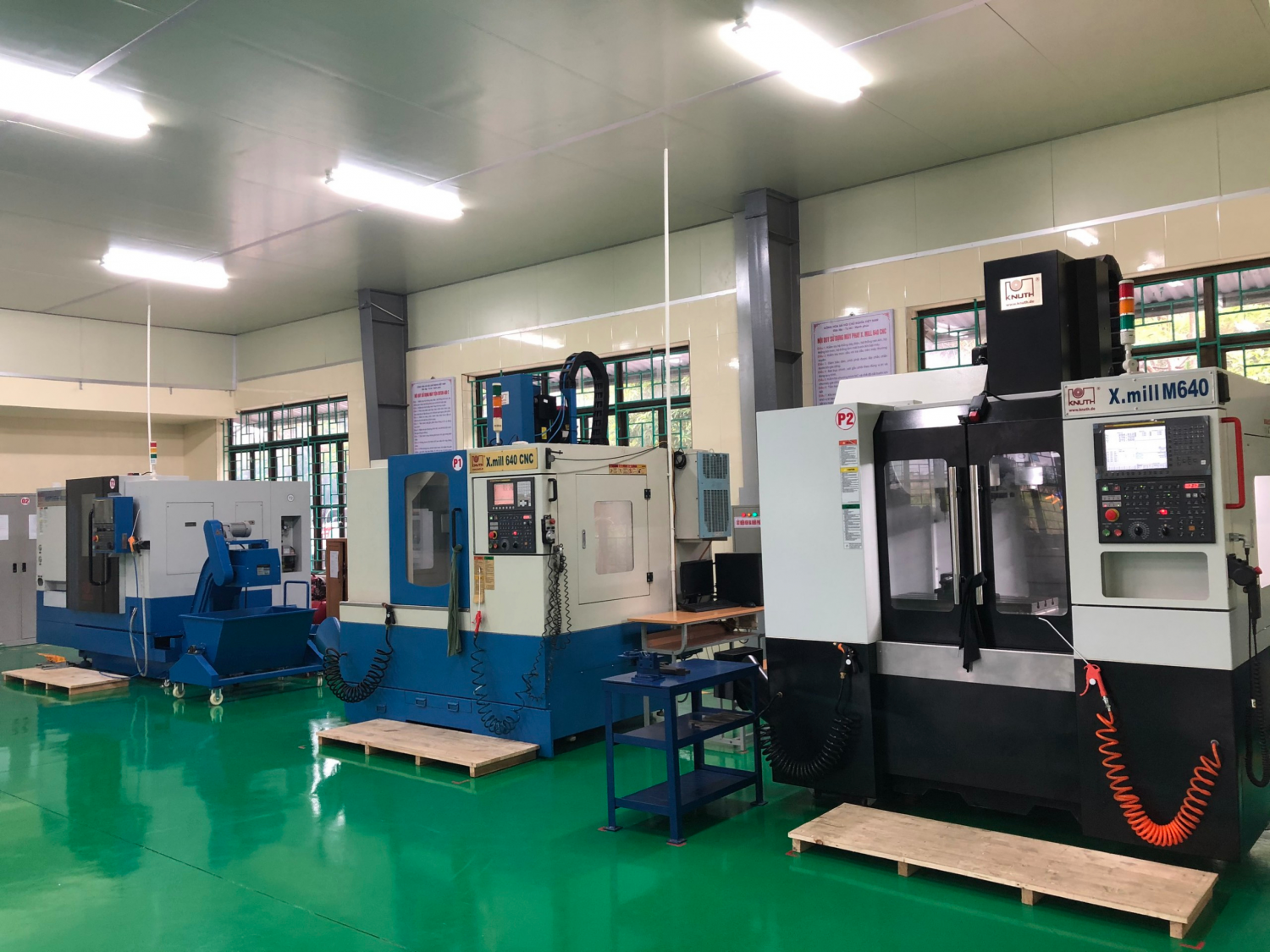
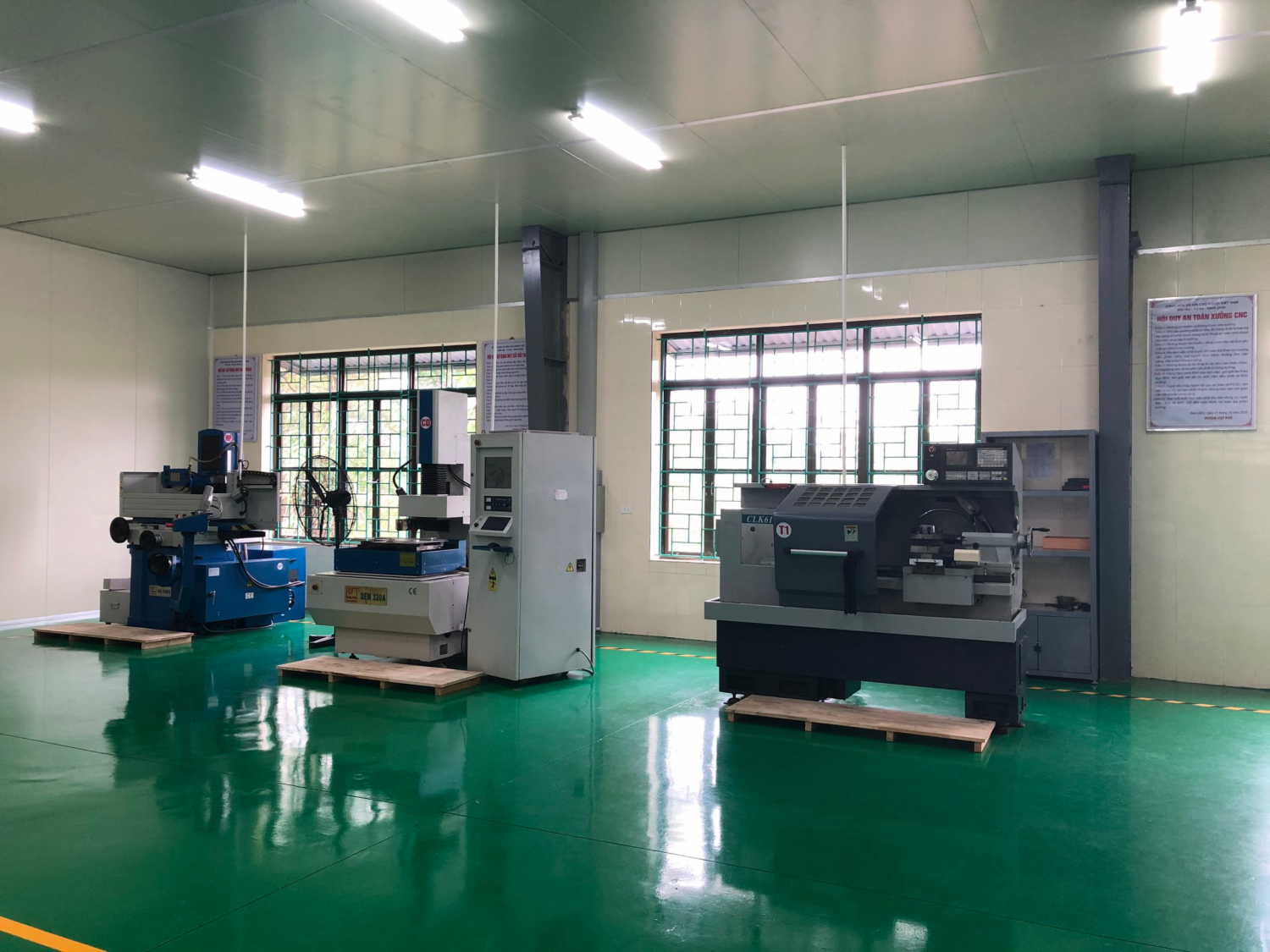
CNC machine tools practice workshop
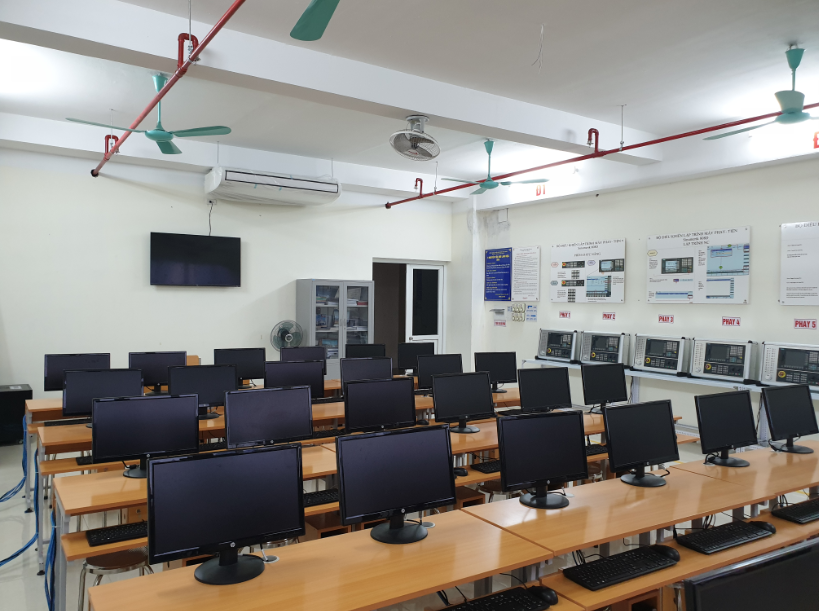
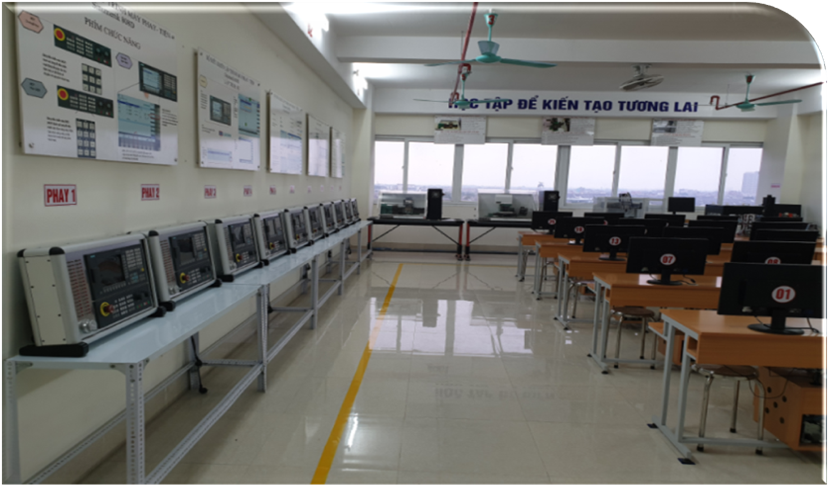
CAD/CAM practice room
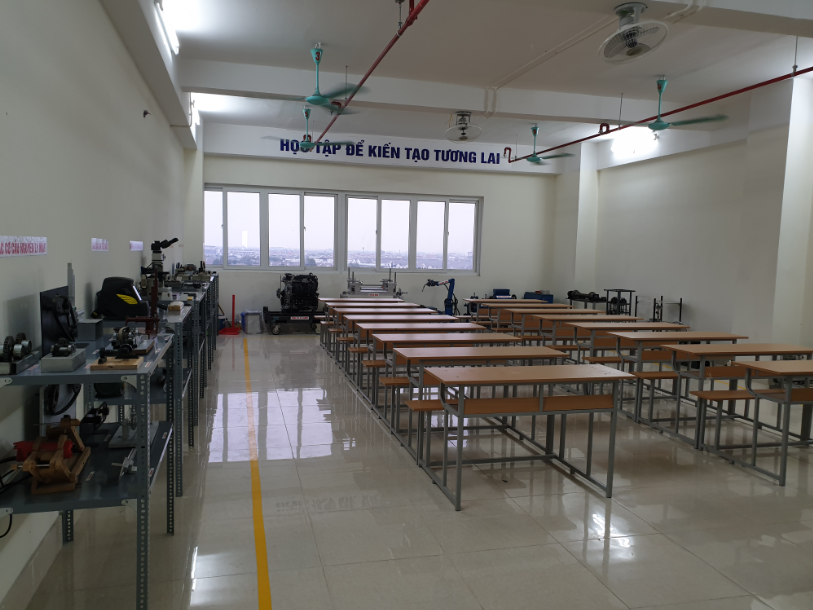
Basic mechanical practice room
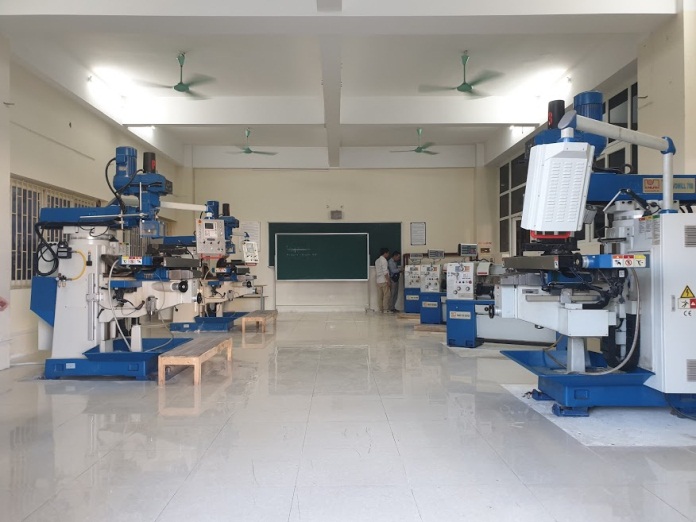
Machine tools practice workshop at Linh Nam, Hanoi
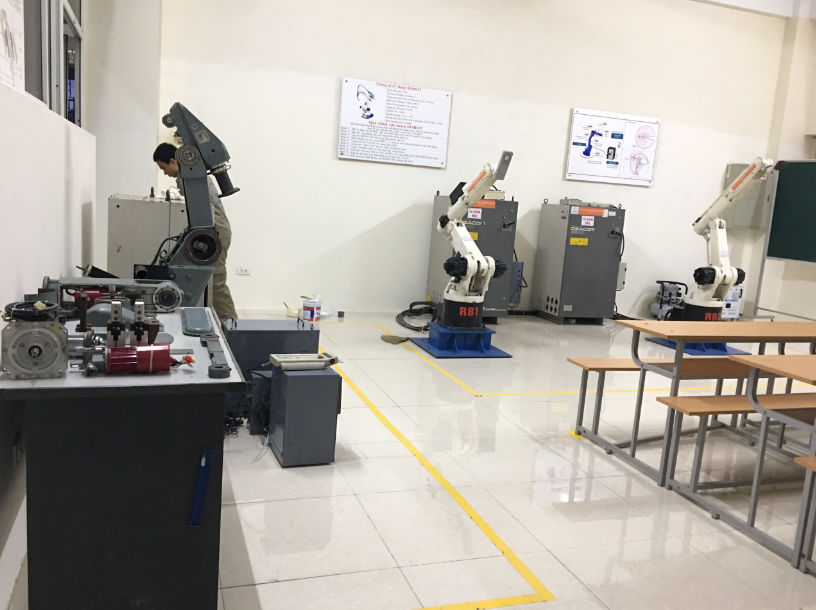
Robotics and Mechatronics practice room at Linh Nam, Hanoi
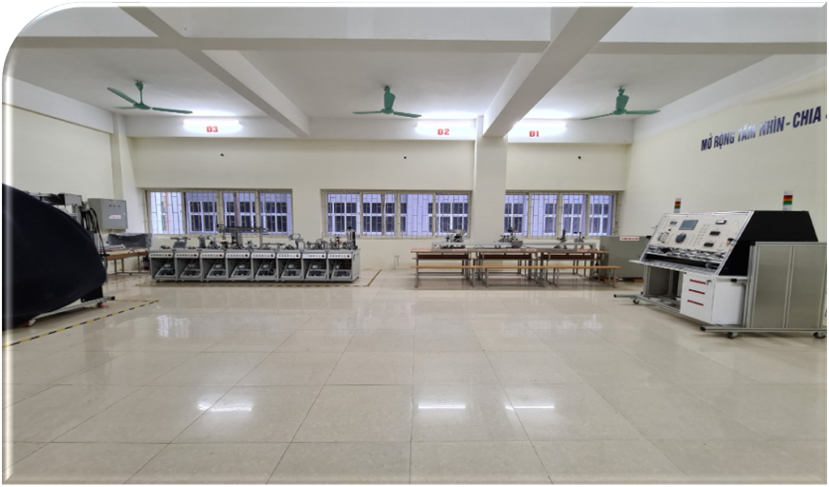

MPS – Mechatronics practice room at Linh Nam, Hanoi
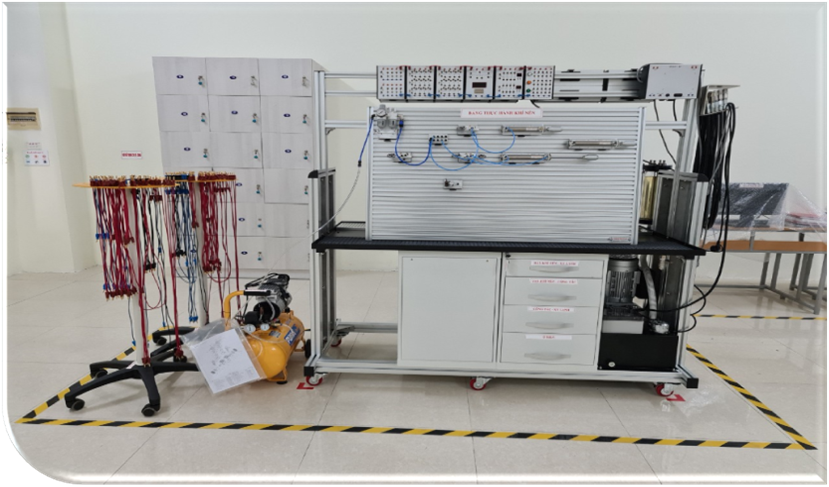
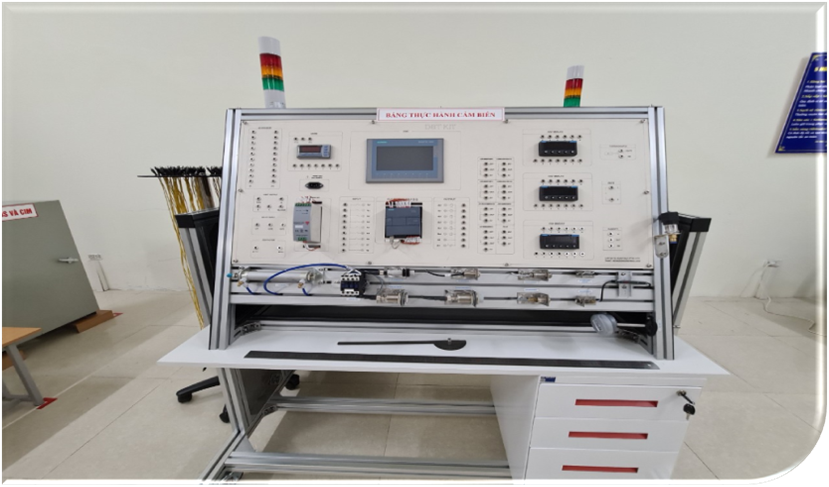
Sensors – Hydraulics and Pneumatics – Mechatronics practice room at Linh Nam, Hanoi